


Small Business Technology, Web & eCommerce Insights
Articles & Perspectives

Shopify Webhook Authentication for Uninstall and GDPR
 Gabriel Richards
Shopify lifecycle webhooks can arrive after a merchant’s session or access token is gone. Learn how independent HMAC verification keeps uninstall and privacy handlers available for cleanup and compliance work.

Is outsourcing website maintenance worth it over doing it in-house?
Gabriel RichardsCompare outsource website maintenance vs in-house by skills, coverage, and risk. Choose clear ownership with practical scope, recovery, and handoff checks.

Can Shopify handle B2B wholesale orders?
Gabriel RichardsCan Shopify handle B2B wholesale orders? Yes. Understand native B2B, app tradeoffs, ERP integration, and the workflow tests to complete before your store launches.

API Platform max_joins Errors: Fix the Serializer Cycle, Not the Limit
Gabriel RichardsAn API Platform max_joins error can signal a recursive serializer graph. Learn how one vehicle-fitment API removed a targeted back-reference, preserved storefront data, and added a regression test.

Can custom software consolidate the tools you already pay for?
Gabriel RichardsCan custom software consolidate business tools? Yes. Learn what to replace, what to connect, and how to assess ownership, migration risk, and ongoing support.
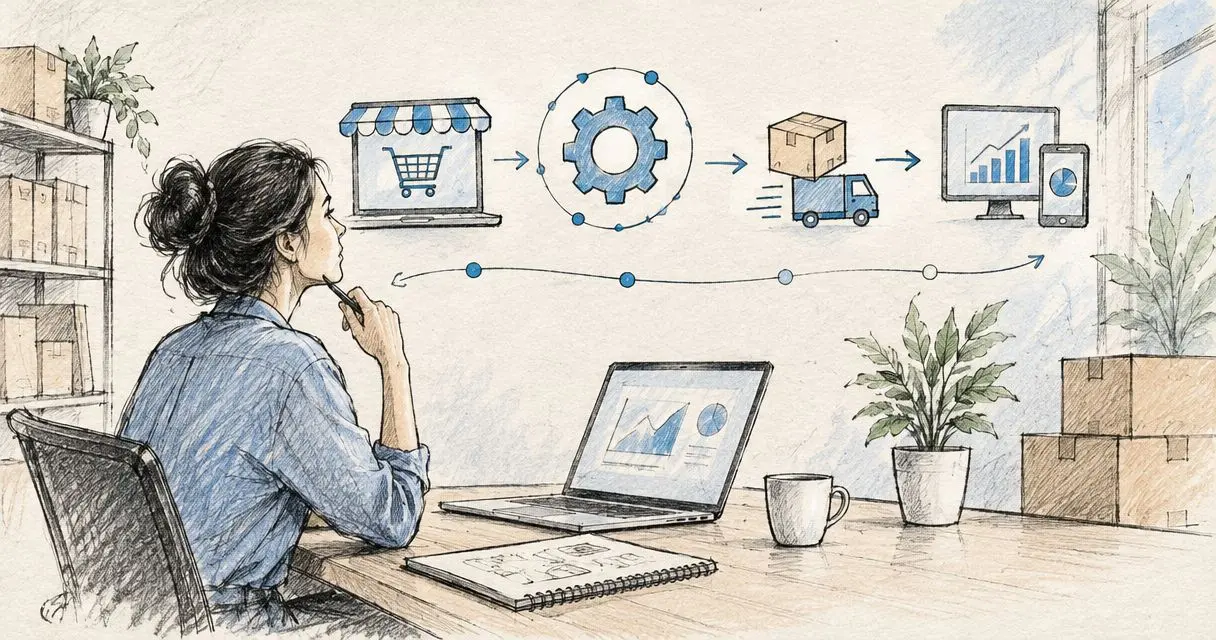
How long does an ecommerce ERP integration take to implement?
Gabriel RichardsAn ecommerce ERP integration timeline starts with validated scope, not a fixed deadline. Understand dependencies, testing, data mapping, and launch readiness.

Custom Shopify App Development for In-Store Retail
Gabriel RichardsShopify app development for in-store retail: start with native POS, then choose extensions, ERP middleware, or a web app based on workflow and support needs.
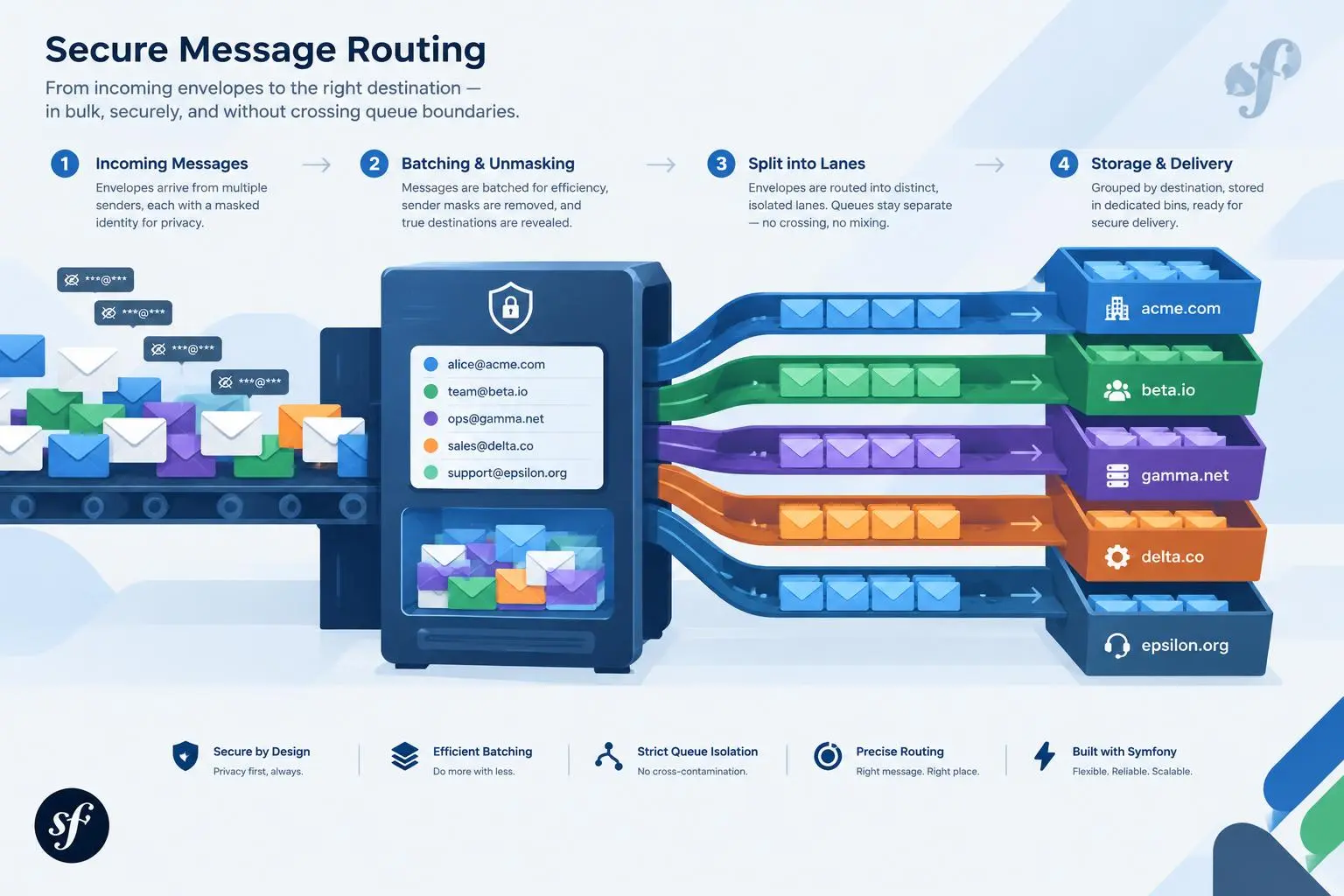
Queue-Aware Batching for Symfony Messenger Transports
 Willem Luijt
Queue-aware batching preserves transport boundaries by resolving sender aliases before bulk persistence and grouping envelopes by destination queue.

Can a furniture retailer move online without replacing their ERP?
Gabriel RichardsA furniture retailer can sell online without replacing ERP. Learn how to connect inventory, orders, and delivery workflows, test failures, and plan a launch.

Ecommerce Replatforming: A Practical Risk and Readiness Checklist
Gabriel RichardsUse this ecommerce replatforming checklist to verify launch readiness. Check data, integrations, SEO, checkout, and recovery before switching your store.
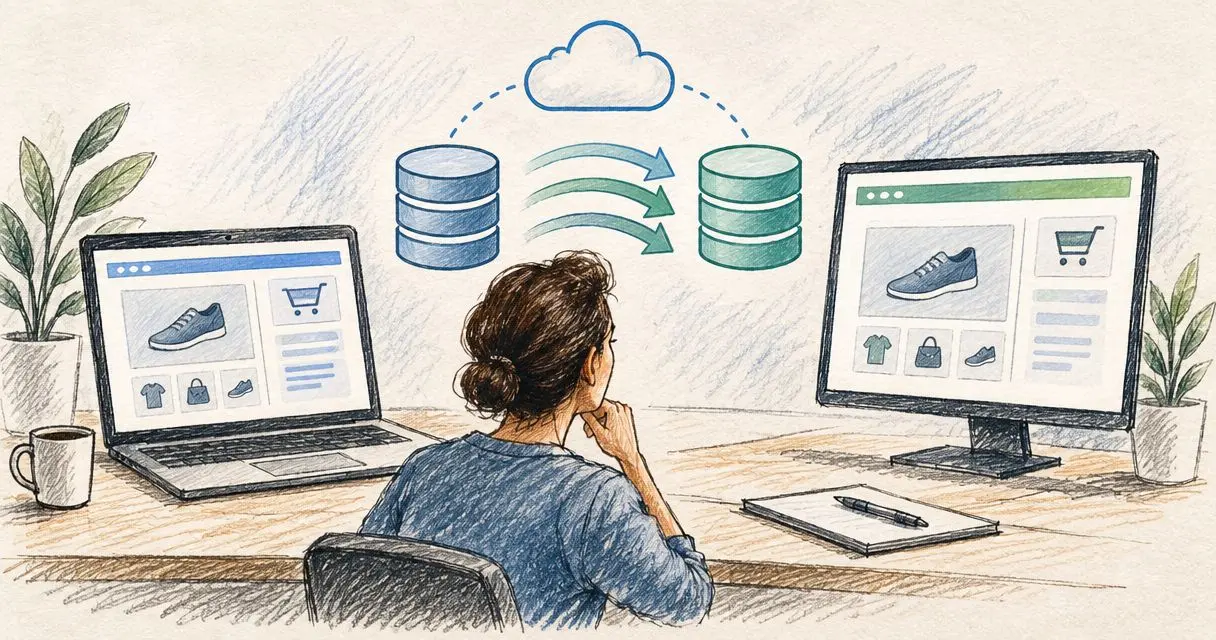
Can an ecommerce platform migration happen without downtime?
Gabriel RichardsEcommerce platform migration downtime is avoidable with a tested cutover plan. Learn how to protect checkout, synchronize data, and prepare recovery steps.
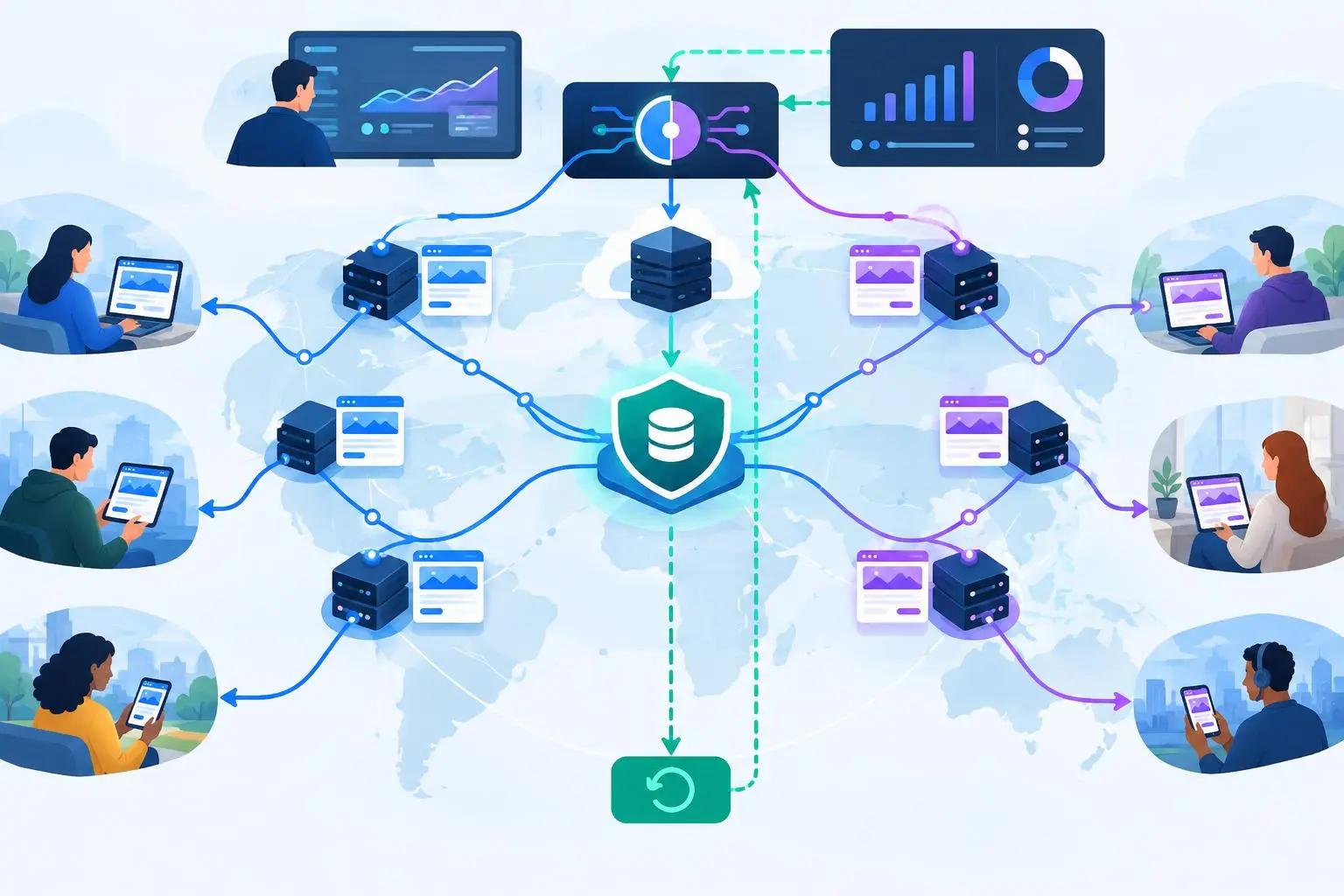
How to Run CDN-Safe First-Party A/B Tests on a Marketing Site
Gabriel RichardsFirst-party A/B testing gives marketing teams more control, but CDN and edge caches can send visitors the wrong variant unless assignment, caching, QA, measurement, and rollback are designed together.