Skip to content
Furniture Ecommerce Solution

From Showroom to Doorstep

Furniture retail ecommerce provider for large catalogs, showrooms, and delivery—Shopify storefronts, STORIS/ERP integration, and omnichannel operations built for how furniture teams sell and fulfill.

Furniture Commerce Assessment

A structured review of catalog complexity, showroom journeys, and integration requirements before you commit to an implementation approach.
  • Catalog and product-data complexity
  • Showroom and online customer journeys
  • ERP/STORIS, inventory, order, delivery, and fulfillment flows
  • Target architecture and integration responsibilities
  • Testing and acceptance criteria
  • Phased implementation roadmap and estimate
Assess My Furniture Commerce Stack

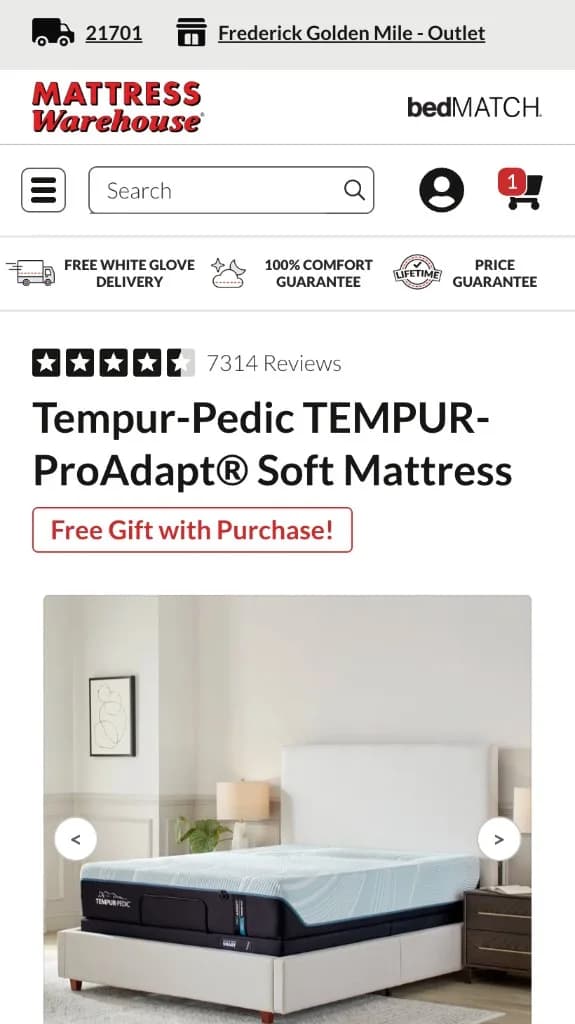
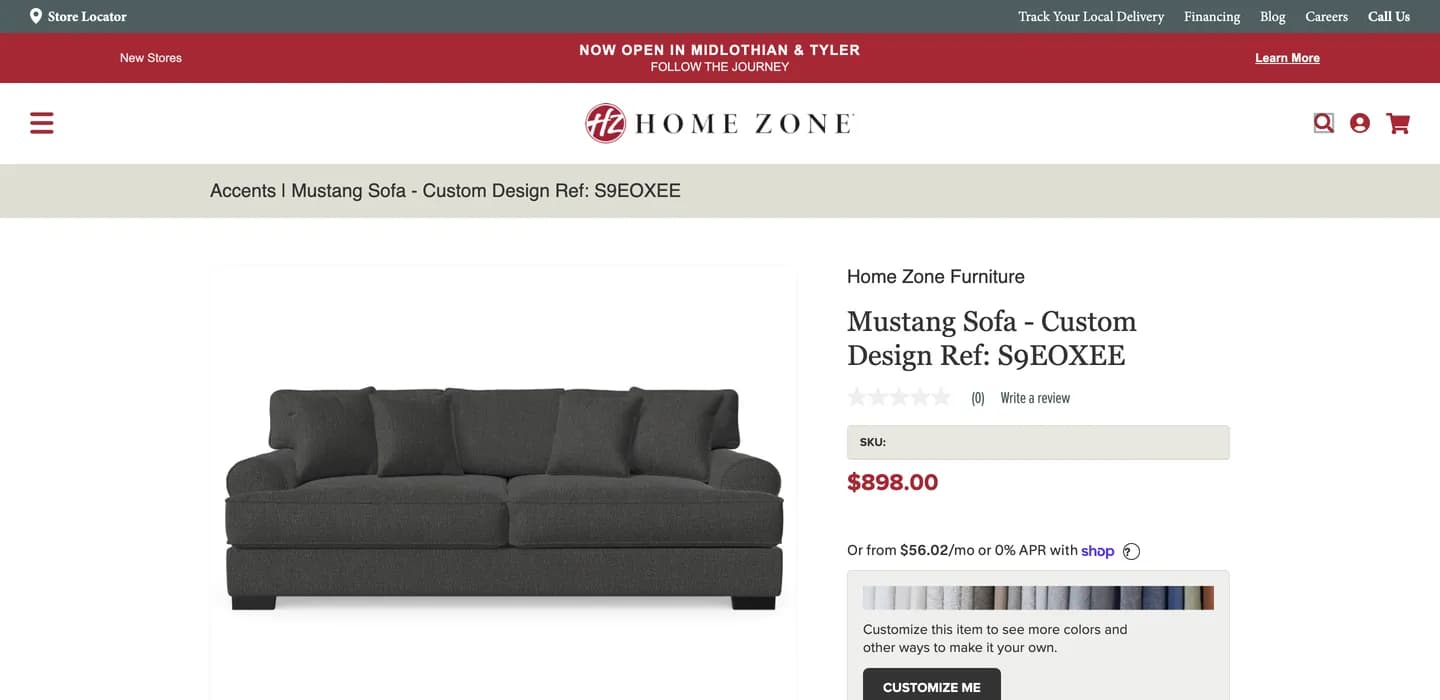
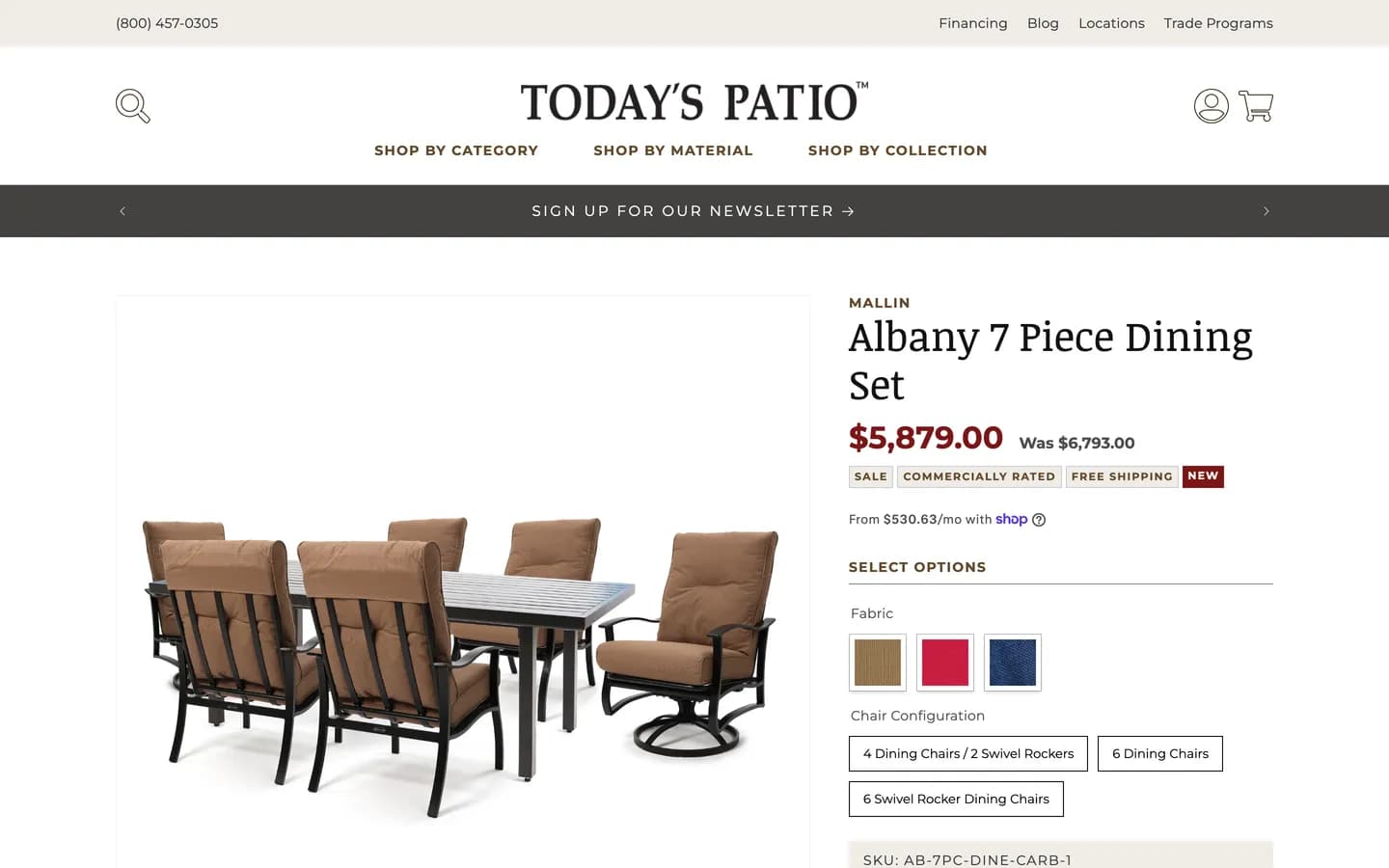
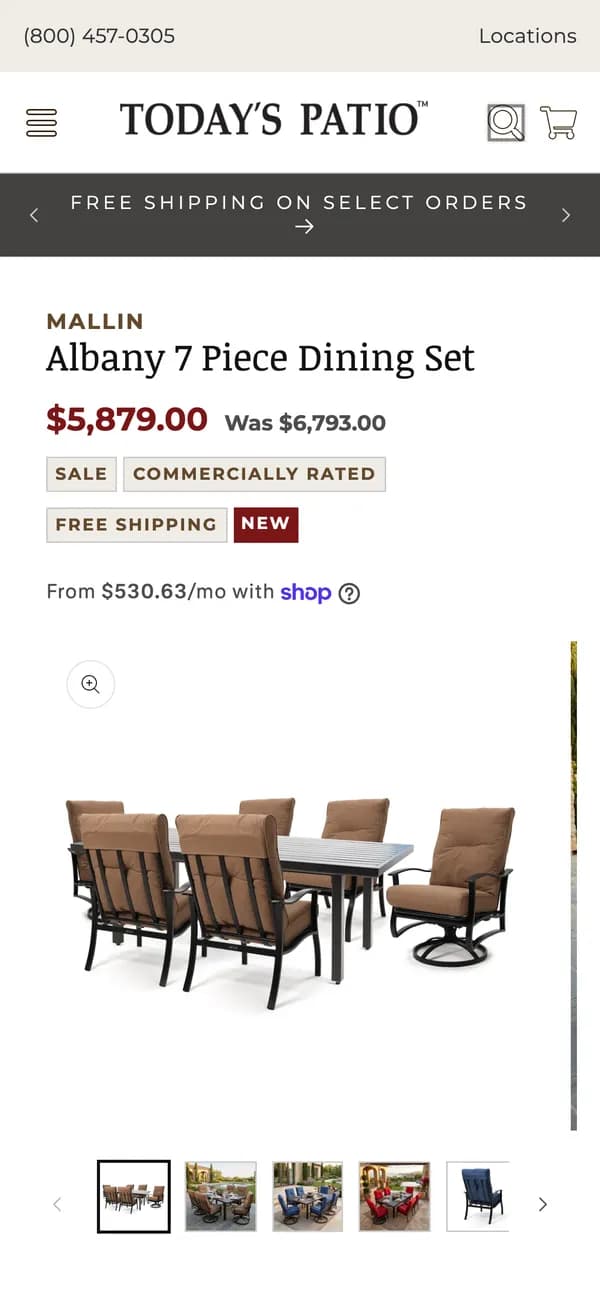
Endertech builds omnichannel furniture ecommerce on Shopify and Hydrogen — large catalogs, showroom and delivery operations, and ERP integrations including STORIS — for retailers including Mattress Warehouse, Today's Patio and Home Zone Furniture.

When This Solution Fits

When catalog complexity and fulfillment reality don't match the storefront.

Furniture breaks generic ecommerce: lead times, white-glove delivery, regional inventory, and custom orders need systems that line up with what sales promises.

Configurable and bundled SKUs

Options, fabrics, and components need structured data instead of endless manual SKUs.

Showroom and web diverge

Associates and online shoppers see different availability or pricing rules.

Delivery and logistics edge cases

Zones, carriers, assembly, and exceptions need to survive checkout.

ERP or POS handoffs

Orders, deposits, and fulfillment status must sync without nightly reconciliation.

Search and discovery for complex purchases

Buyers need filters and guidance based on room, dimensions, availability, and compatibility—not generic product categories alone.

Peak and promotion load

Holiday and event traffic can't collapse PDP or cart performance.
Furniture Commerce Experience

Commerce built for how furniture actually sells.

We combine storefront engineering with reliable connections among Shopify, STORIS, other ERP systems, and the custom middleware required to keep them synchronized.
bp client logo
brandjump client logo
coco client logo
conduit client logo
cpesr client logo
current client logo
csun client logo
fhf client logo
hdb client logo
isc client logo
bp client logo
brandjump client logo
coco client logo
conduit client logo
cpesr client logo
current client logo
csun client logo
fhf client logo
hdb client logo
isc client logo

Senior-led delivery

Architecture and engineering leads stay on the program after the pitch—not a bait-and-switch staffing model.

Fulfillment-aware architecture

Model lead times, white-glove delivery, deposits, and regional inventory before storefront design and development begin.

STORIS + Shopify + ERP depth

When STORIS or another ERP remains in place, we keep catalog, inventory, orders, and fulfillment data synchronized with the storefront.
How We Reduce Launch Risk

Model product, fulfillment, and delivery rules before design work begins.

Validate product data, delivery rules, and system integrations early so launch is not overwhelmed by unexpected exceptions.

Map the order lifecycle

From quote or cart to warehouse, vendor drop-ship, and customer communication.

Structure catalog & content

Attributes, assets, and merchandising rules editors can sustain.

Integrate with authority systems

Inventory, pricing, and customer records with clear source of truth.

Phase rollout

Regions, categories, or banners in slices that prove operations.
Relevant Work

Furniture and home retail references.

Furniture and home retail programs selected for integration complexity, fulfillment depth, and real-world operational results.
Technology and Integrations

Connect the storefront to the systems that run the business.

Endertech works with Shopify, Hydrogen, custom Next.js storefronts, STORIS, ERP APIs, middleware, and the monitoring needed to keep high-value purchases moving.

Shopify & Hydrogen

Online Store, headless storefronts, and B2B where Shopify fits.

STORIS & middleware

Inventory and order sync patterns that tolerate real-world delays.

nopCommerce to Shopify migration

Replatform from nopCommerce with catalog, SEO, and STORIS continuity when your furniture stack requires it.

Shopify Hydrogen storefronts

Headless Shopify when performance, UX, or merchandising freedom matters more than theme limits.

SFCC to Shopify migration

Salesforce Commerce Cloud, SFCC, and Demandware exits for multi-store furniture and specialty retail.

Ecommerce platform migrations

Plan migrations from nopCommerce, Magento, Salesforce Commerce Cloud, WooCommerce, and other platforms to Shopify.

Search & merchandising

Facets, synonyms, and ranking tuned to how people shop rooms.

Product content and comparison

Present dimensions, media, specifications, and product comparisons without slowing page performance.

Payments & deposits

Authorization, capture, and partial payments for made-to-order flows.

Operations visibility

Monitoring and alerts on sync jobs and checkout anomalies.
Related Solutions

Connect furniture commerce with the rest of your technology.

Combine storefront development with platform migration and reliable connections between Shopify, STORIS, inventory, orders, delivery, and fulfillment.

Ecommerce development services

Shopify storefronts, platform migrations, systems integrations, and omnichannel commerce programs for retailers and brands.

Ecommerce platform migrations

Plan and execute data migration, integration rebuilding, testing, cutover, and post-launch support.

Shopify STORIS integration

Inventory, orders, and catalog sync between STORIS and Shopify.
Ways to Work Together

Assessments, builds, and ongoing optimization.

Engage Endertech to repair a failing integration, rebuild the commerce platform, or improve a live storefront over time.

Furniture Commerce Assessment

Structured review of catalog, showroom journeys, integrations, and fulfillment fit.

Replatform or redesign

Phased cutover with operational checkpoints.

Integration reliability

Add retries, reconciliation, monitoring, and alerts to STORIS and other ERP integrations.

Continuous improvement

Roadmap work after launch: search, conversion, and operations tools.
Furniture FAQ

Furniture ecommerce questions

Straight answers on platforms, showroom inventory, STORIS/ERP integration, and made-to-order delivery.

Platforms, inventory, and integrations

Large catalogs, showroom sync, STORIS, and fulfillment on Shopify.

Which platform fits a large furniture catalog?
Shopify is the primary platform we use for furniture retailers with large, complex catalogs—variants, bundles, configurable options, and rich PDP content—paired with Hydrogen or custom Next.js storefronts when performance, merchandising freedom, or headless architecture matters. The goal is not to fight the catalog in the theme layer: product data, attributes, and merchandising rules are modeled so editors can sustain them, and search and navigation are tuned for how people shop rooms and categories—not generic SKU lists.
How do showroom and online inventory stay in sync?
Showroom and web stay honest when inventory, pricing, and availability have a clear system of record—often STORIS or another ERP—and sync logic that tolerates real-world delays, partial updates, and regional stock. We map which locations, ATP rules, and associate-facing views must match the storefront, then build reconciliation, monitoring, and alerts so drift is caught before customers or sales staff see conflicting numbers. Omnichannel furniture is not a nightly CSV export problem; it needs owned integration paths and operational visibility.
Can Shopify integrate with STORIS or another ERP?
Yes. Shopify integrates with STORIS and other ERP systems through deliberate middleware: catalog and inventory sync, order export, status round-trips, deposits, and fulfillment events—with retries, idempotency, and reconciliation when systems disagree. We have delivered STORIS + Shopify programs for furniture retailers where the ERP stays the operational backbone while Shopify carries the customer-facing commerce experience. Integration design happens before cosmetic storefront work so launch is not a scramble of exceptions. See our Shopify STORIS integration solution for sync patterns and operational visibility.
How are made-to-order and white-glove delivery handled?
Made-to-order flows need structured product data, lead-time rules, deposits or partial payments, and checkout that survives delivery zones, carriers, assembly, and exceptions—not a generic shipping table. White-glove and regional delivery are modeled as fulfillment paths with clear customer communication, not bolted on after the theme is done. Shopify supports authorization, capture, and custom line-item logic; the engineering work is mapping how your sales team quotes orders and how warehouses and vendors actually fulfill them so the storefront promises what operations can deliver.
Start With the Problem

Does your furniture commerce program need a technical partner?

Share the catalog, ERP, and delivery constraints. We'll help you sequence the work.