


Search Results

Multi Store Setup in Magento 2
We will use one Website. The site will have three Stores. The domain names will share one common base domain. The additional stores will use subdomains. Create three Virtual Hosts for these domains on your web server.
Add a background image with TailwindCSS
How to add a background image with TailwindCSS and CSS variables.
Disable Chrome Autofill
Discover how to disable Chrome autofill function at the root. For searchers and users of React based applications, this is for you!
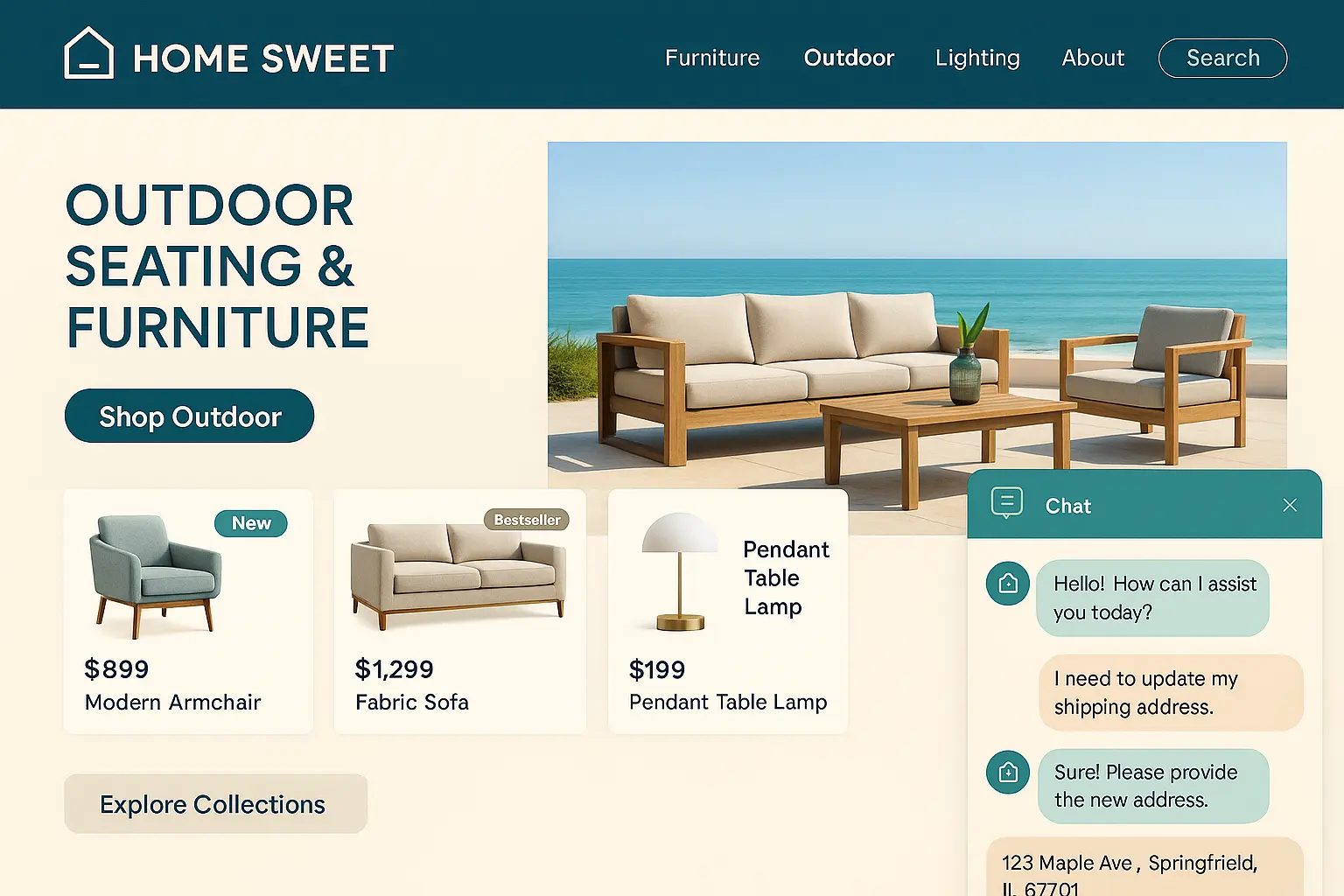
AI Can Run Your Ecommerce Customer Support
Traditional live chat systems struggle to keep up. Even with 24/7 support teams or chatbots, responses often feel robotic, and handling real data (like orders, returns, or account details) is difficult without custom development. With rapid progress in agentic intelligence over the past few months, today’s AI systems are far more reliable and less error-prone than they were a year ago.

How to Optimize Performance for ReactJS Applications
This blog post will dive deep into effective performance optimization techniques that will elevate your application to the next level.

We Gave the AIs Jobs: Inside Our Marketing Operating System
Once several AI and marketing systems became useful, the hardest design problem was responsibility: who owns strategy, who gathers evidence, who may execute, which system is authoritative for each fact, and when a human must decide.

We Replaced Shopify Search With AI — Here’s What Actually Happened
How we built a custom MCP + OpenSearch product discovery system, and what real customers are already doing with it.
Enhancing User Experience with Magento PWA Studio in Headless Mode
Learn how to enhance the user experience with Magento PWA studio when developing headless Magento PWA (Progressive Web App) solutions.
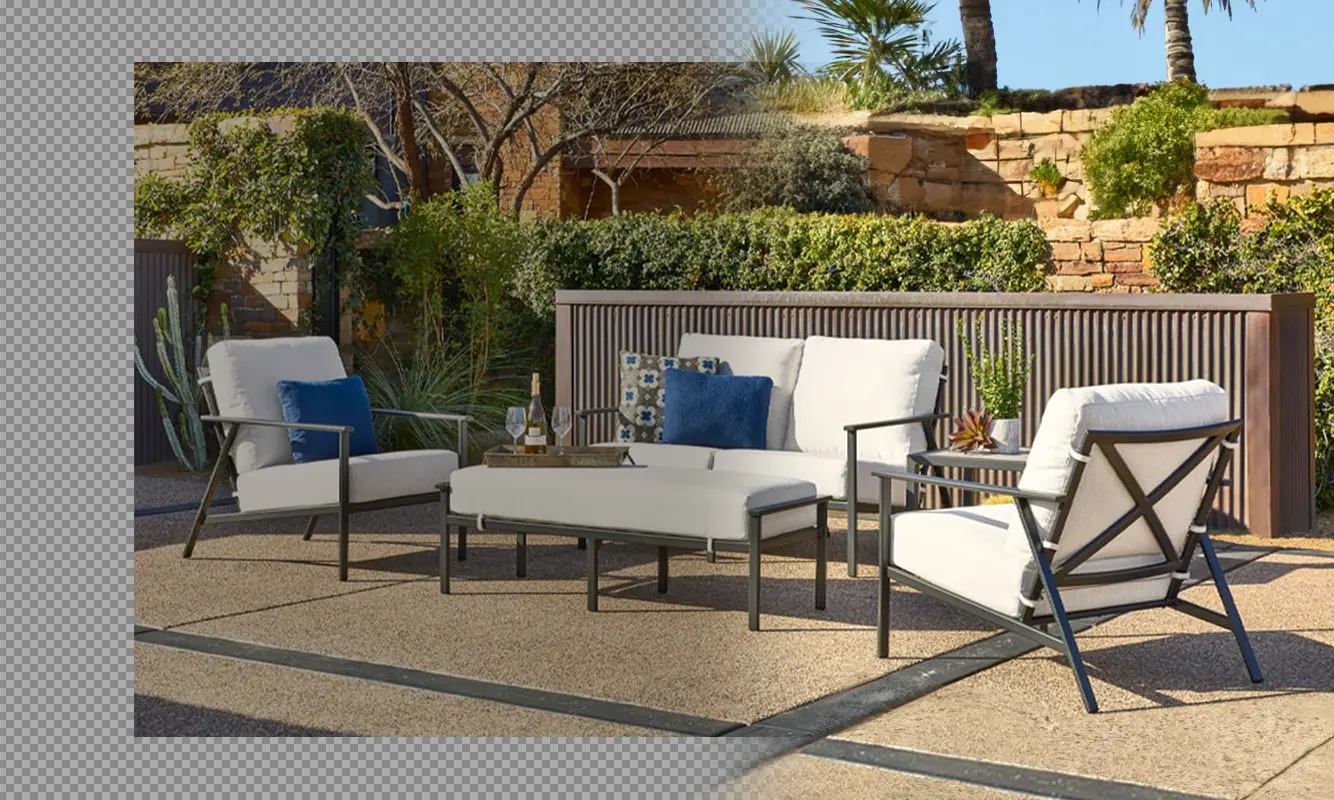
Generative Fill in Adobe Photoshop: Real-World Use Case for the New AI-Powered Tool
Adobe Photoshop's new Generative Fill tool, although imperfect, feels revolutionary, capable of creating impressively detailed and convincing imagery in seconds. In this article, we recap the new feature and provide a step-by-step visual demonstration of how it can be used to enhance client-provided assets for a web design project.

The Customer Journey Series Pt 1 - What Type of Software Do You Need?
This is part 1 of the Customer Journey Series in navigating software development process as a client. We discuss the types of software that exist and how to know which one fits you goals the best.

Automation Was the Easy Part: How We Built the Learning Loop
Self-improving should not mean unsupervised. A practical learning system improves because actions reliably create evidence that changes later decisions, while consequential authority remains governed.
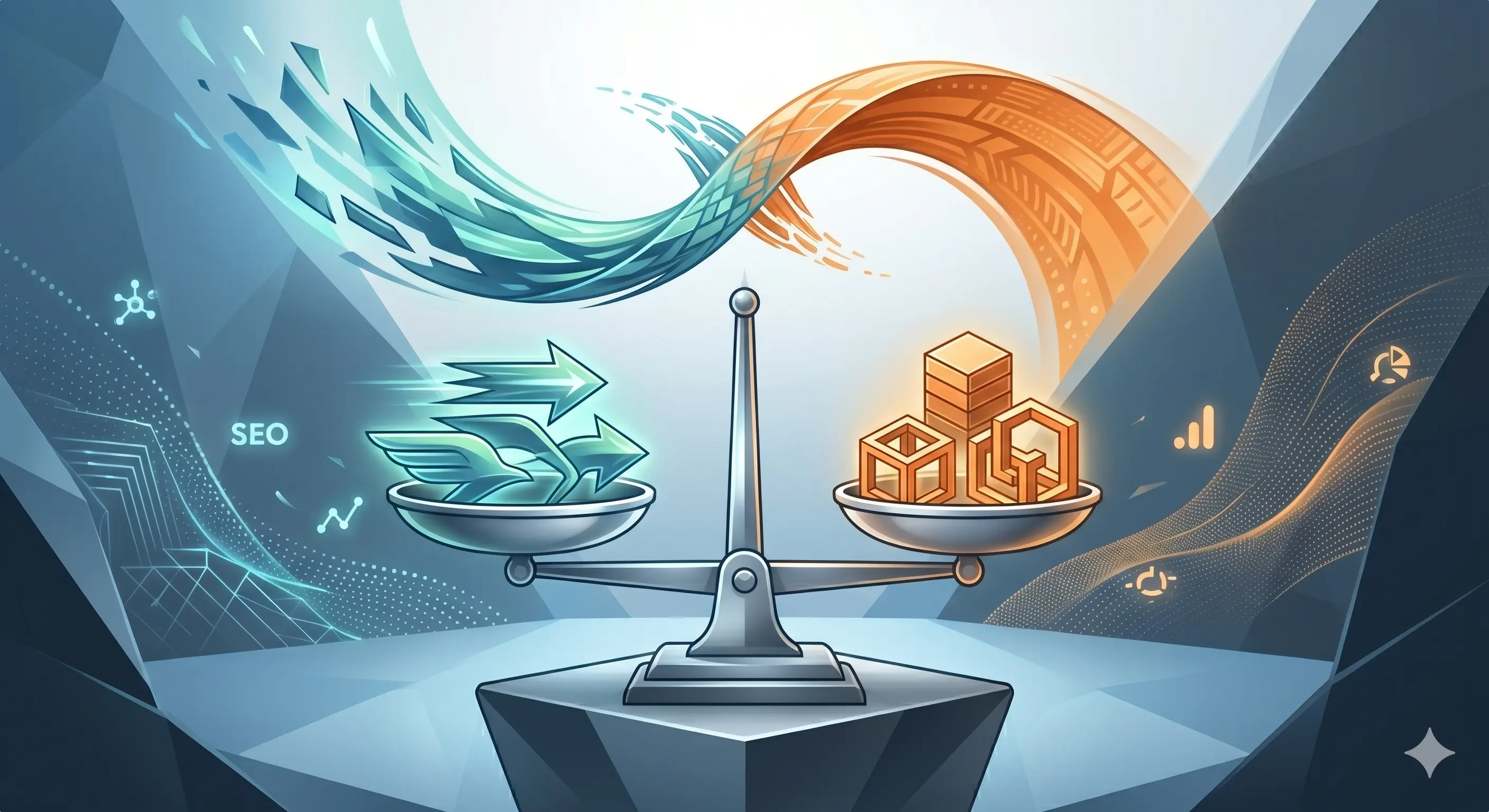
How AI, Plasmic, and Next.js Changed the Way We Build Websites
Endertech rebuilt its own website around Plasmic and Next.js to create a governed visual CMS. Marketers can now edit pages visually while engineering preserves the design system, SEO, analytics, performance patterns, and brand standards, proving you don’t have to choose between speed and quality.