


Field Notes from the Build
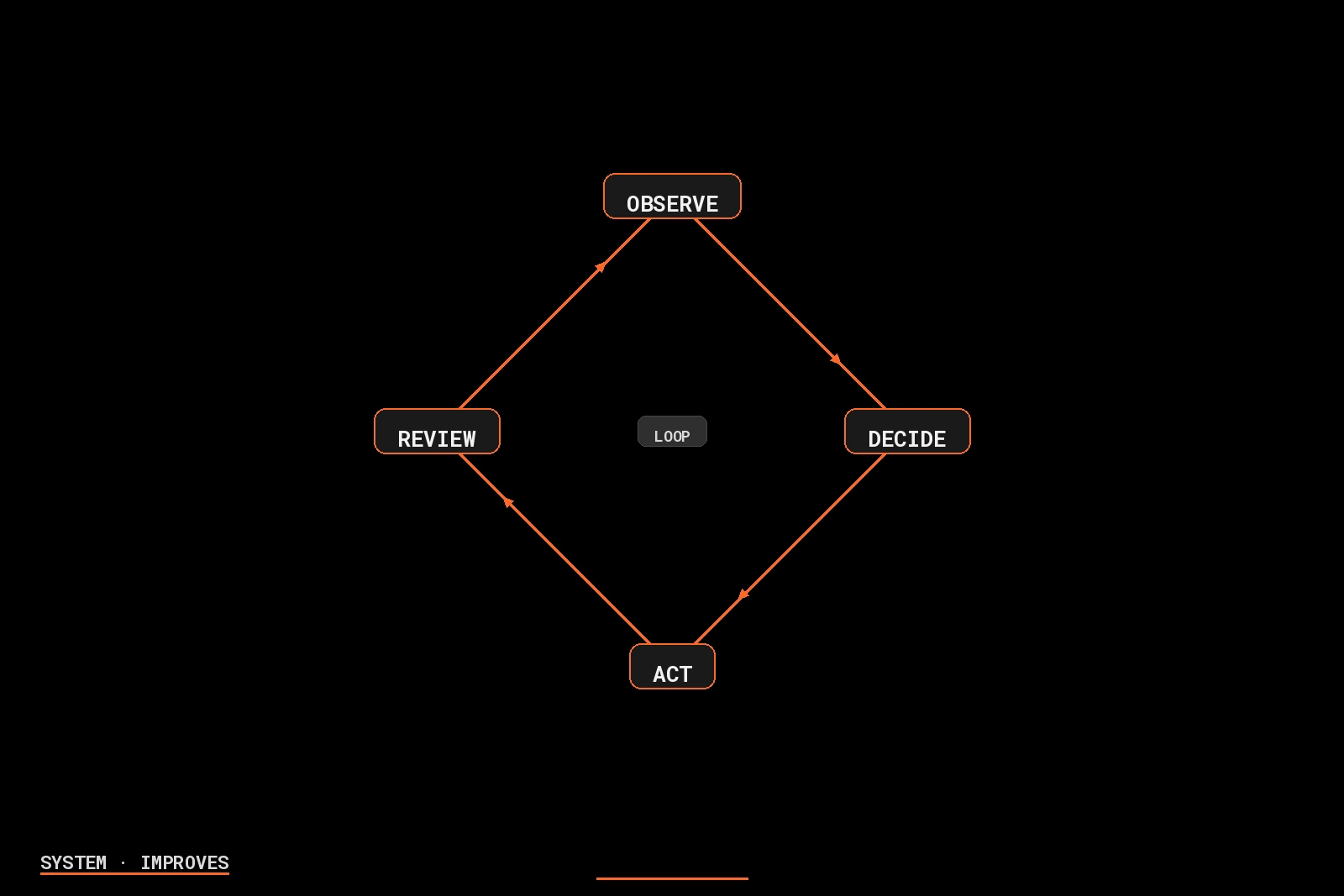
Building a Marketing System That Improves Itself
 Gabriel Richards
We're building a self-improving marketing system. The hard part was not finding one AI smart enough to run marketing. It was designing an organization of humans, AIs, and software that learn together without losing accountability.

From Floor Conversations to Customers: Guided Selling, Showroom Apps, and Rapora
Gabriel RichardsHow Endertech’s custom showroom systems for large retailers shaped Rapora, a Shopify-native product for smaller multi-location chains that need guided selling, CRM, and Shopify POS. Live at rapora.shop; App Store listing pending.

Same Markup, New Level A Failures
 Yasuhiro Nakano
After our site-wide scan tool upgraded, unchanged HTML started failing a new Level A rule. Most hits came from a headless CMS library, not our app. The spec, the validator, and the scanner did not move in lockstep, and that mismatch is the real story.

When Good ARIA Goes Quiet
Yasuhiro NakanoWe were improving an existing e‑commerce storefront, not greenfield HTML. We leaned on ARIA and checker tools. Then VoiceOver agreed with us in one browser and ignored the price in another, and later did the opposite in the cart. The lesson: bad ARIA can be worse than no ARIA.
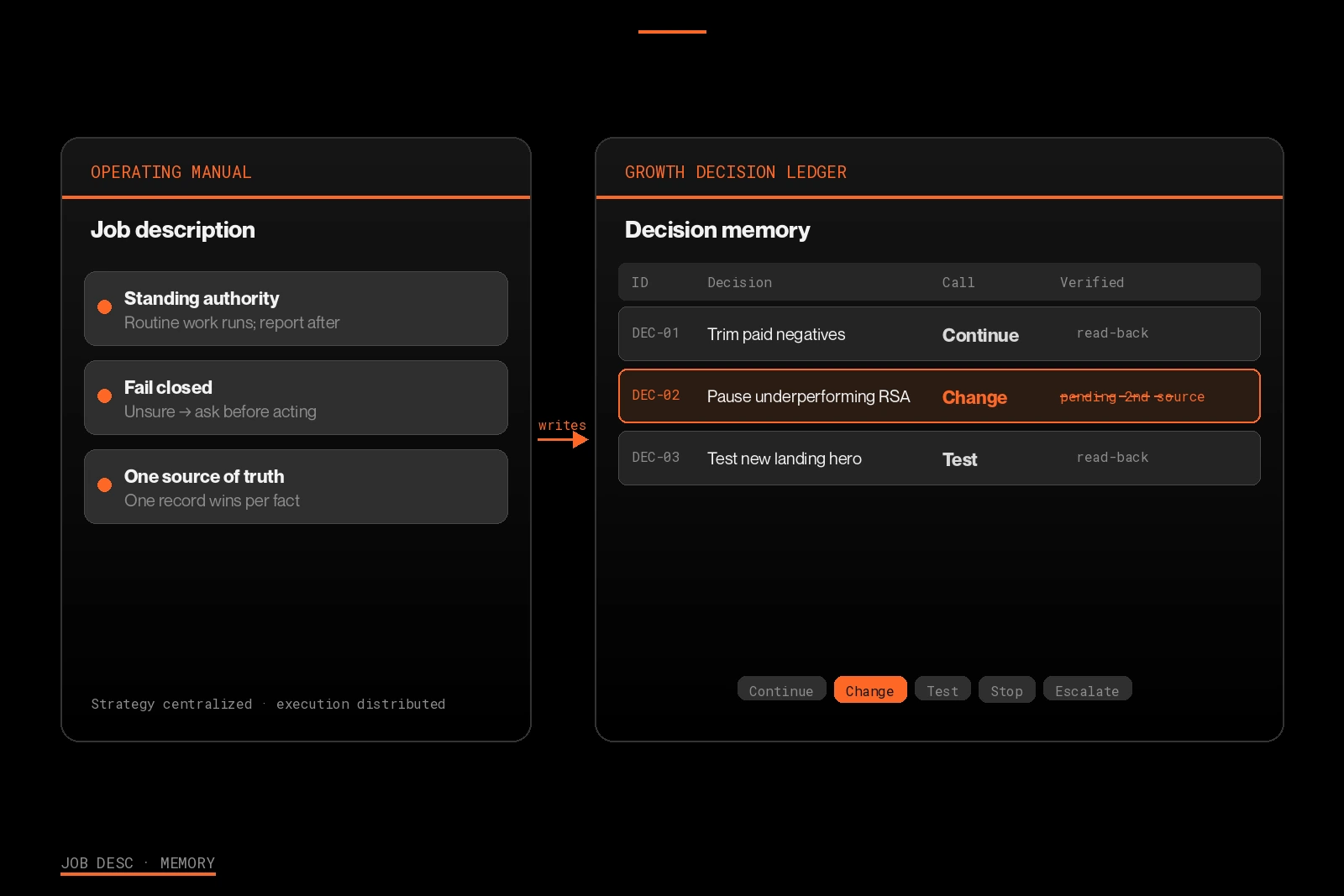
Managing AI Agents Like a Team: Job Descriptions, Ledgers, and Reviews
Gabriel RichardsAgents need management. Here is how we run ours like new hires: an Operating Manual as the job description, a decision Ledger as memory, goals with dates, and regular reviews.
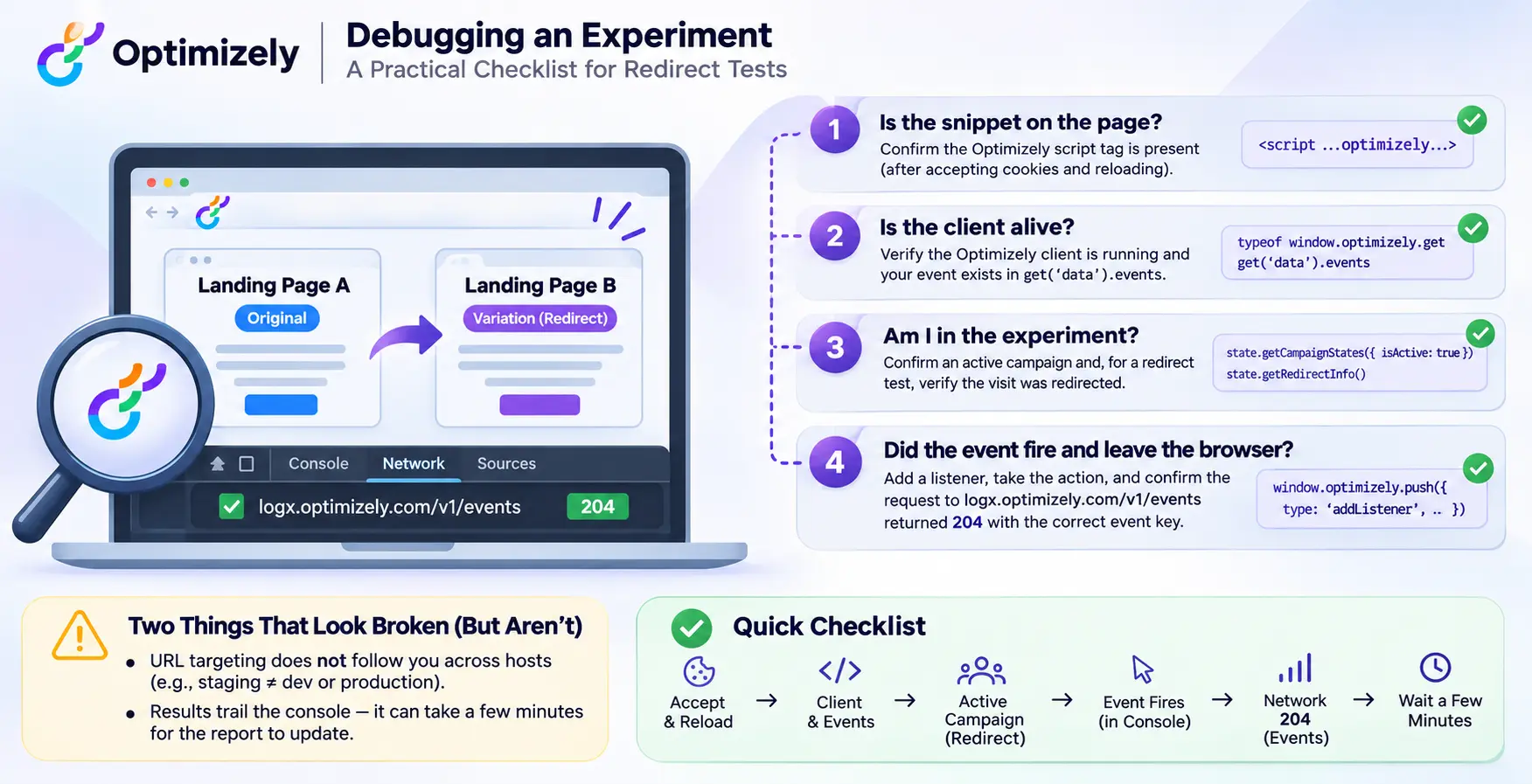
Is Optimizely actually working?
 Arturo Trejo
Optimizely can show a healthy visitor split while the action you care about is never recorded. Check the snippet, the bucket for this visit, and the network call before you trust a zero in the results.
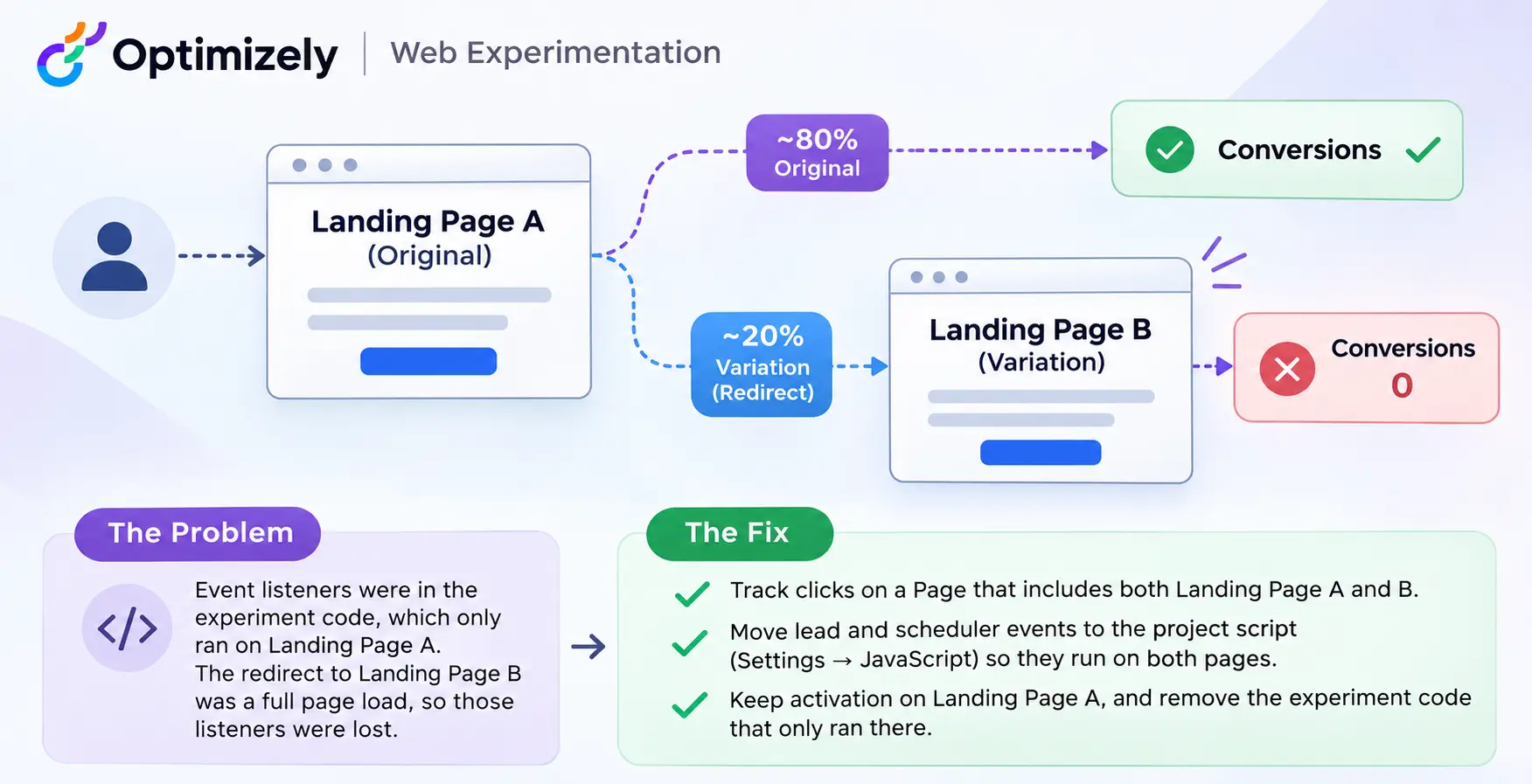
Why my Optimizely redirect test showed zero conversions
Arturo TrejoAn Optimizely redirect sent about 20 percent of visitors from Landing Page A to Landing Page B. Both sides had visitors. Only the original recorded conversions, because the tracking code ran on the page the variation immediately left.
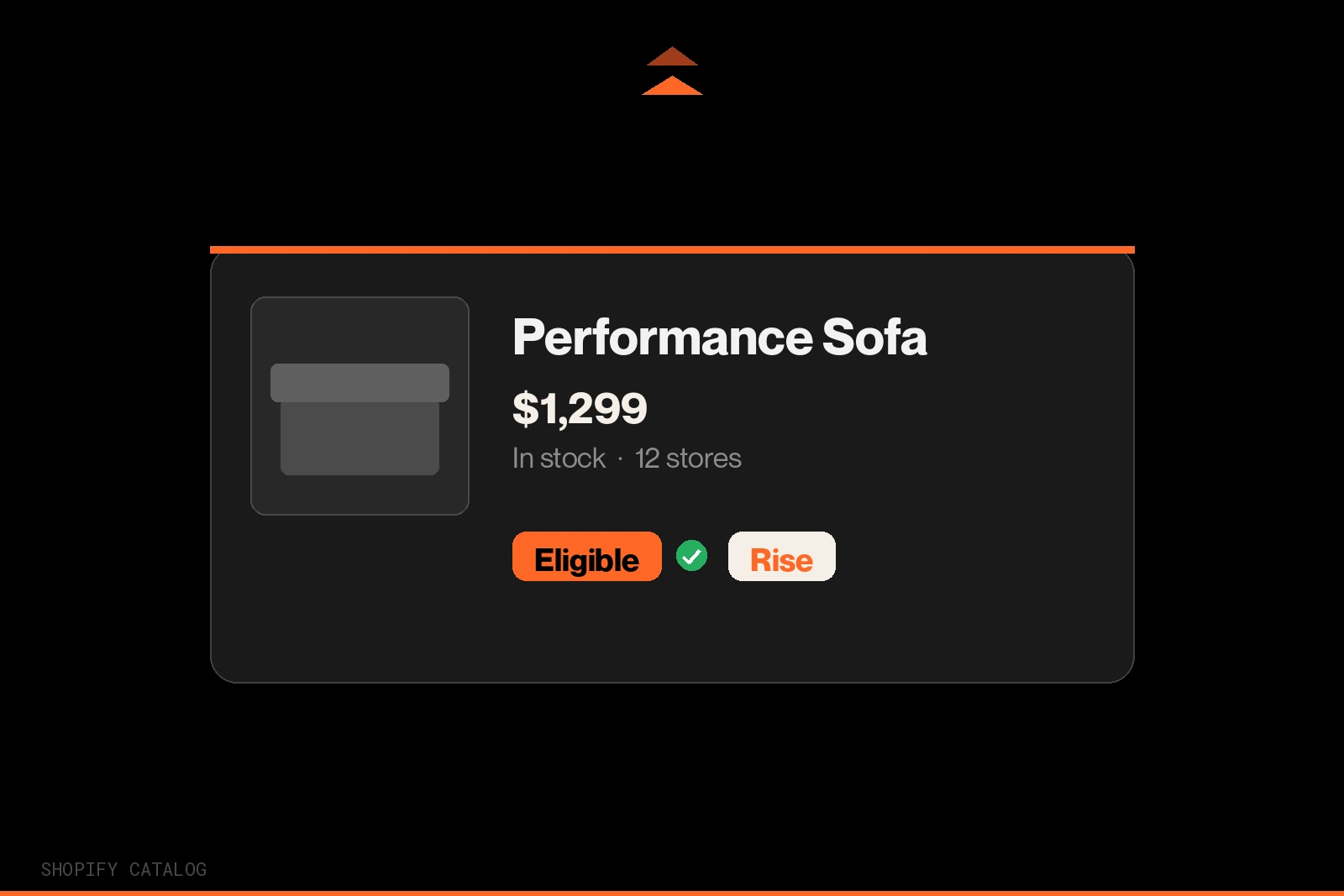
How to Get Into Shopify Catalog (and Rise)
Gabriel RichardsShopify's Fall '26 Edition gave merchants three levers for AI shopping: a Catalog eligibility view, a knowledge base for the store facts agents read, and Shop Promise badges that can rank higher in Shop and Catalog. Here's how to use each one.
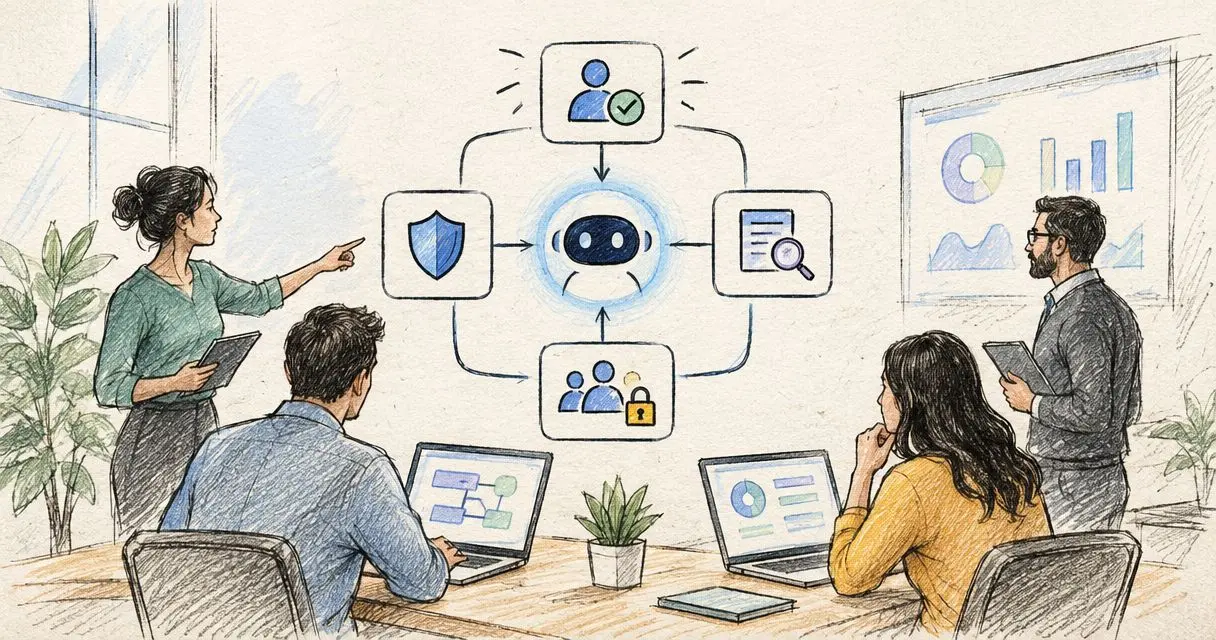
Who Can Build a Governed AI Workflow? Approvals, Audit Trails, Bounded Permissions
Gabriel RichardsAI agent governance needs enforced controls, not just prompts. Choose a builder who can prove approvals, bounded permissions, audit trails, and safe recovery.

Shopify's Catalog Now Includes Brands That Don't Sell on Shopify
Gabriel RichardsShopify's Catalog API beta can now return products from brands that don't sell on Shopify, alongside Shopify merchants, with checkout on the brand's own site. Here's how it works, how Promoted Placements and Shop Campaigns fit in, an open question about why Shopify is doing it, and what merchants can do now.
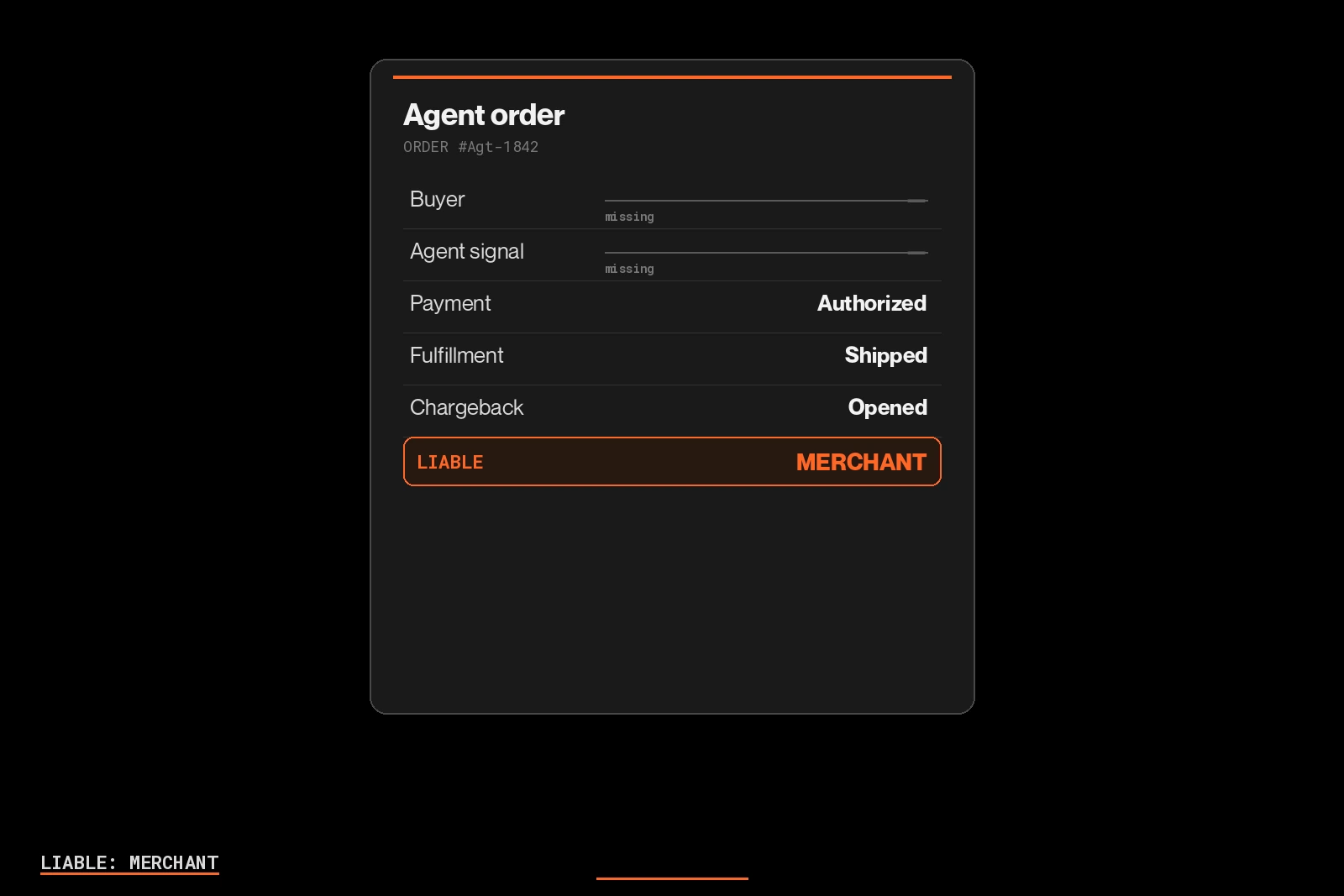
Who Pays for Fraud When an AI Agent Places the Order?
Gabriel RichardsWhen an AI agent buys for a shopper, the merchant still carries most fraud risk and loses the device and behavior signals fraud tools rely on. Here's who is liable, how detection has to change, and how card networks, Stripe, Google and Shopify are rebuilding fraud controls for agent orders.
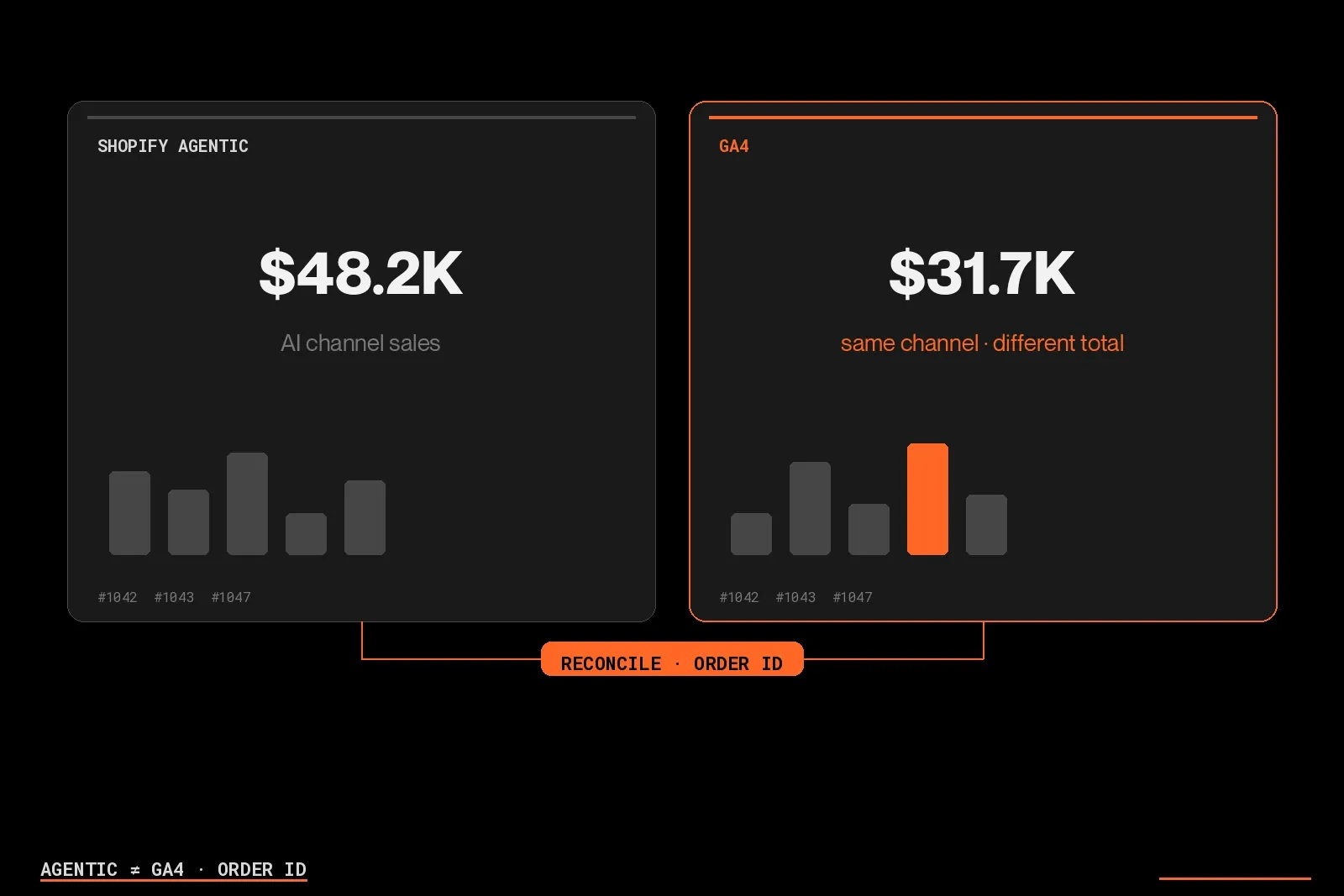
Measuring AI Channel Sales: Shopify's Agentic Reports vs GA4
Gabriel RichardsShopify's Agentic reports and GA4's AI Assistant channel answer different questions. Here are five places the numbers diverge and how to reconcile them by order ID.