


Search Results

How to Choose the First Business Workflow for AI Automation
Choose first AI automation workflow candidates with clear inputs, verifiable outputs, and human review. Learn how to assess risk, test handoffs, and measure value.

How to Tell if an Image Is AI-Generated in 2026
Learn how to tell if an image is AI-generated in 2026: inspect provenance, reverse-search the image, and check details without trusting one clue.

How to Prepare Your Product Catalog for AI Shopping (Without Starting Over)
Shoppers are asking ChatGPT and similar tools plain questions before they land on your product pages. If your catalog only has thin titles and generic five-star reviews, those models have little to work with. This guide covers four practical fixes; structured attributes, conversational descriptions, detailed FAQs, and story-driven reviews, plus how that overlaps with SEO. Your content should answer the questions customers already ask.
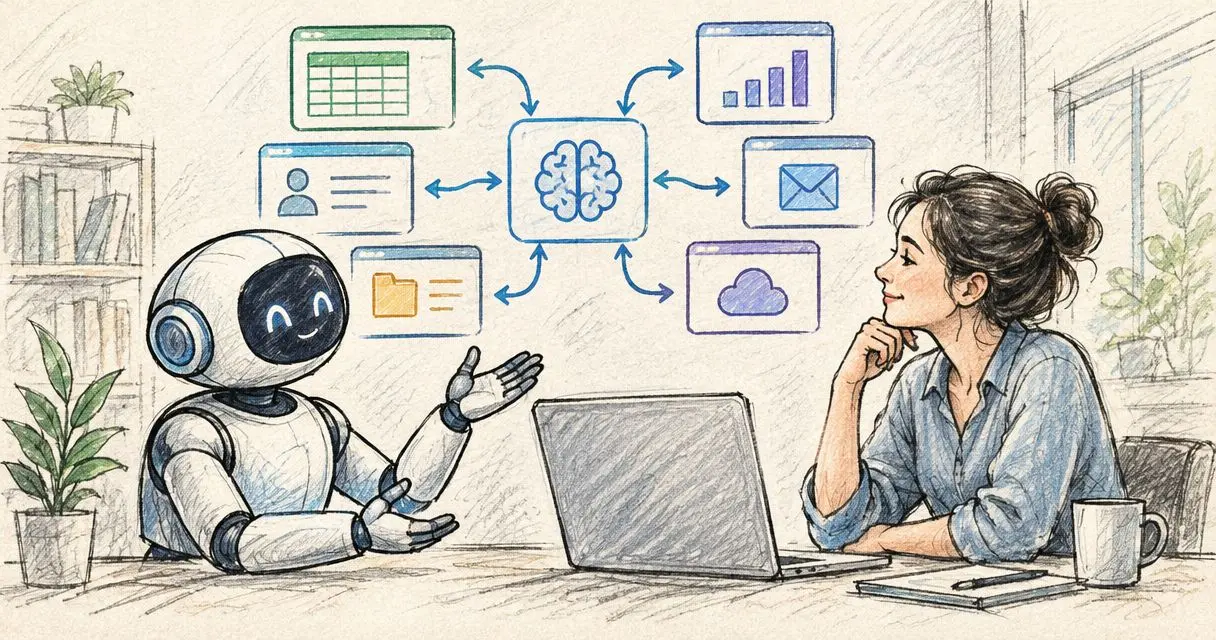
Can an AI agent work with business software that has no API?
AI agent integration without API is possible through files, database access, or screen automation. Compare tradeoffs and plan safe, verified business workflows.

Generating Proposals With Approved Evidence and Deterministic Pricing
AI can write a proposal in seconds. The hard part is making sure every price came from an approved rule and every claim came from curated evidence. Here is how we built a proposal workflow where the model writes and code owns the commitments.

Build, Buy, or Co-Build AI? 10 Questions to Ask Before You Decide
A plain checklist for owners deciding whether to build, buy, or co-build AI. Why co-building is the right call when technology is not your core competency, when buying a tool is enough, and how far the research can be trusted.

How to Protect a Public AI Chat Interface Without Slowing Down Legitimate Shoppers
Public AI chat can be a powerful shopping tool, and an expensive target for automated abuse. This walkthrough shows how a layered security model blocks bad traffic early, applies tenant-specific risk scoring, and gives merchants the visibility needed to tune protection without adding friction for real shoppers.

We Gave the AIs Jobs: Inside Our Marketing Operating System
Once several AI and marketing systems became useful, the hardest design problem was responsibility: who owns strategy, who gathers evidence, who may execute, which system is authoritative for each fact, and when a human must decide.

Governing AI Planning and Code Execution With Branches, Draft Merge Requests, and Audit Records
AI agents that plan work and propose code need the same gates content pipelines do. Here is how we encode governance in branches, draft merge requests, and audit records, while humans keep merge and publish.

Building an AI Support Workflow with a Remote MCP Server: A Production Case Study
A real-world case study of an AI support workflow that classifies inbound email, retrieves prior sent-mail precedents through a remote MCP server, and hands human-reviewed drafts to staff in Gmail.
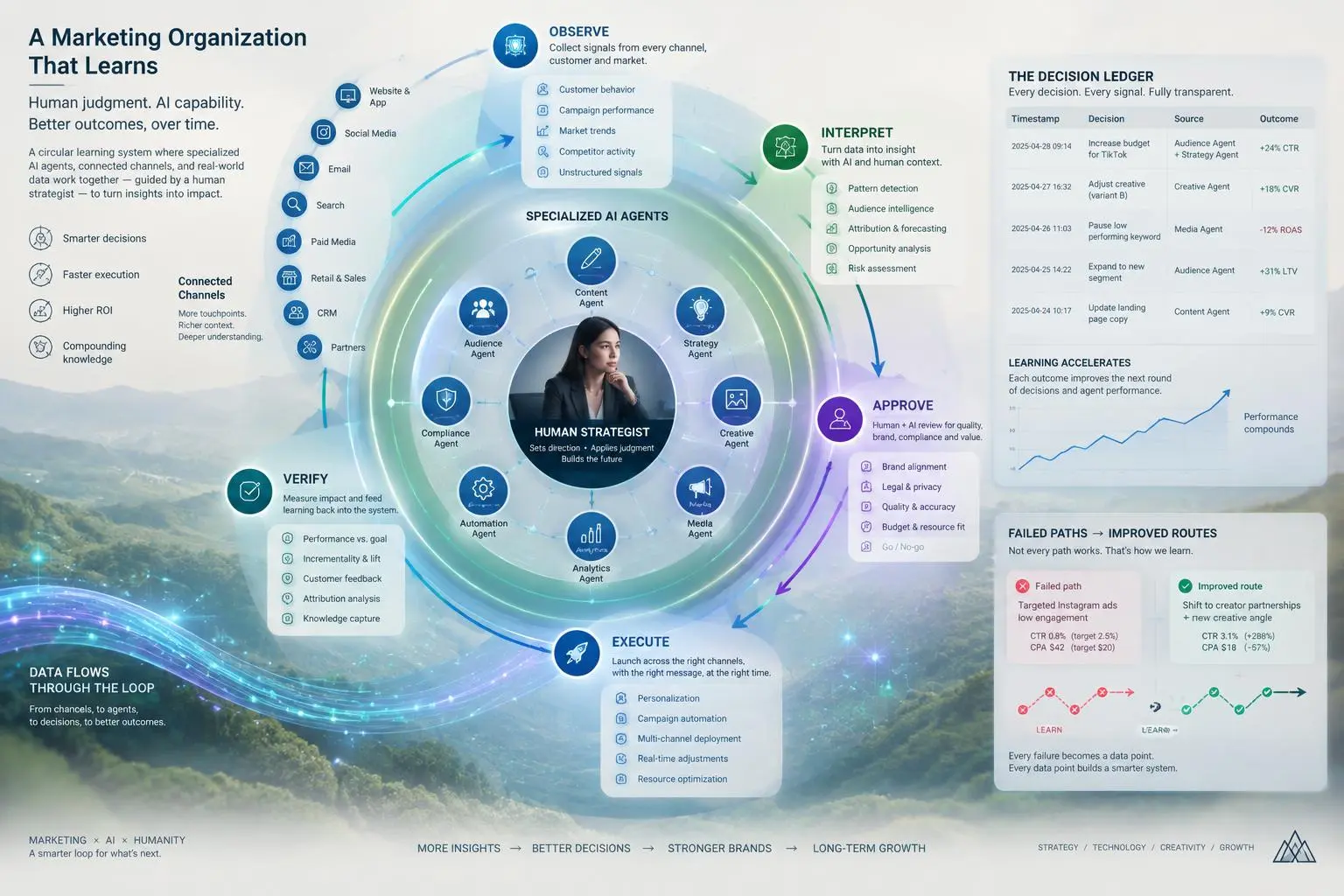
Building a Marketing System That Improves Itself
We're building a self-improving marketing system. The hard part was not finding one AI smart enough to run marketing. It was designing an organization of humans, AIs, and software that learn together without losing accountability.

Generative Fill in Adobe Photoshop: Real-World Use Case for the New AI-Powered Tool
Adobe Photoshop's new Generative Fill tool, although imperfect, feels revolutionary, capable of creating impressively detailed and convincing imagery in seconds. In this article, we recap the new feature and provide a step-by-step visual demonstration of how it can be used to enhance client-provided assets for a web design project.