


Search Results

Hydrogen Components, Hooks, and Utilities Explained
Learn how Hydrogen components, hooks, & utilities in Shopify help developers build storefronts that integrate seamlessly with Shopify’s APIs.

Cost to Fix a Slow Shopify Store in 2026: Real Answer
Cost to fix a slow Shopify store in 2026 depends on the cause, app cleanup is cheapest, theme rebuilds and migrations cost the most. See the breakdown.

When Merchants Return: Lifecycle Resilience for Multi-Tenant Shopify POS + Hydrogen
Architecture gets you to launch. Lifecycle resilience keeps merchants productive when they return, reinstall, or hit interrupted setup, without assuming yesterday’s tenant state is still ready.
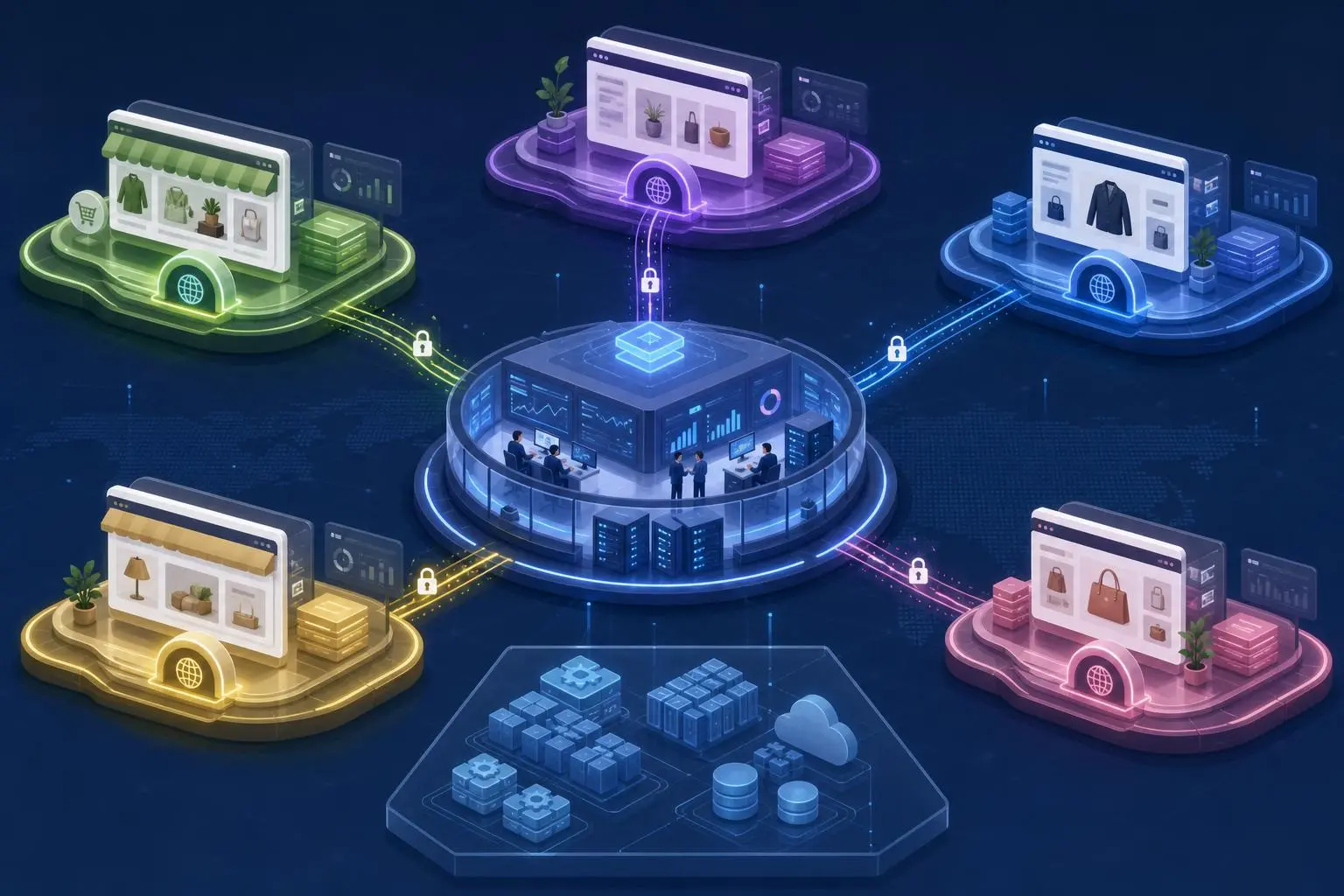
Building a Multi-Tenant Shopify POS Product Without Forking the Storefront
A look at the architecture behind Rapora: a publicly installable Shopify retail platform that pairs centralized app operations with dedicated merchant Hydrogen runtimes, avoiding the cost and complexity of storefront forks.

How to Customize the UpCart Price Format in your Shopify Store
How to Customize the UpCart Price Format in your Shopify Store to Remove Decimals and Trailing Digits

How much does it cost to migrate from WooCommerce to Shopify?
WooCommerce to Shopify migration cost depends on scope. Learn how data, design, integrations, and launch testing shape your budget and compare proposals clearly.
Split Fulfillment Between Shopify POS and STORIS at the Line-Item Level
How deterministic middleware maps STORIS fulfillment records to the correct Shopify fulfillment orders, line items, quantities, delivery methods, and tracking records.
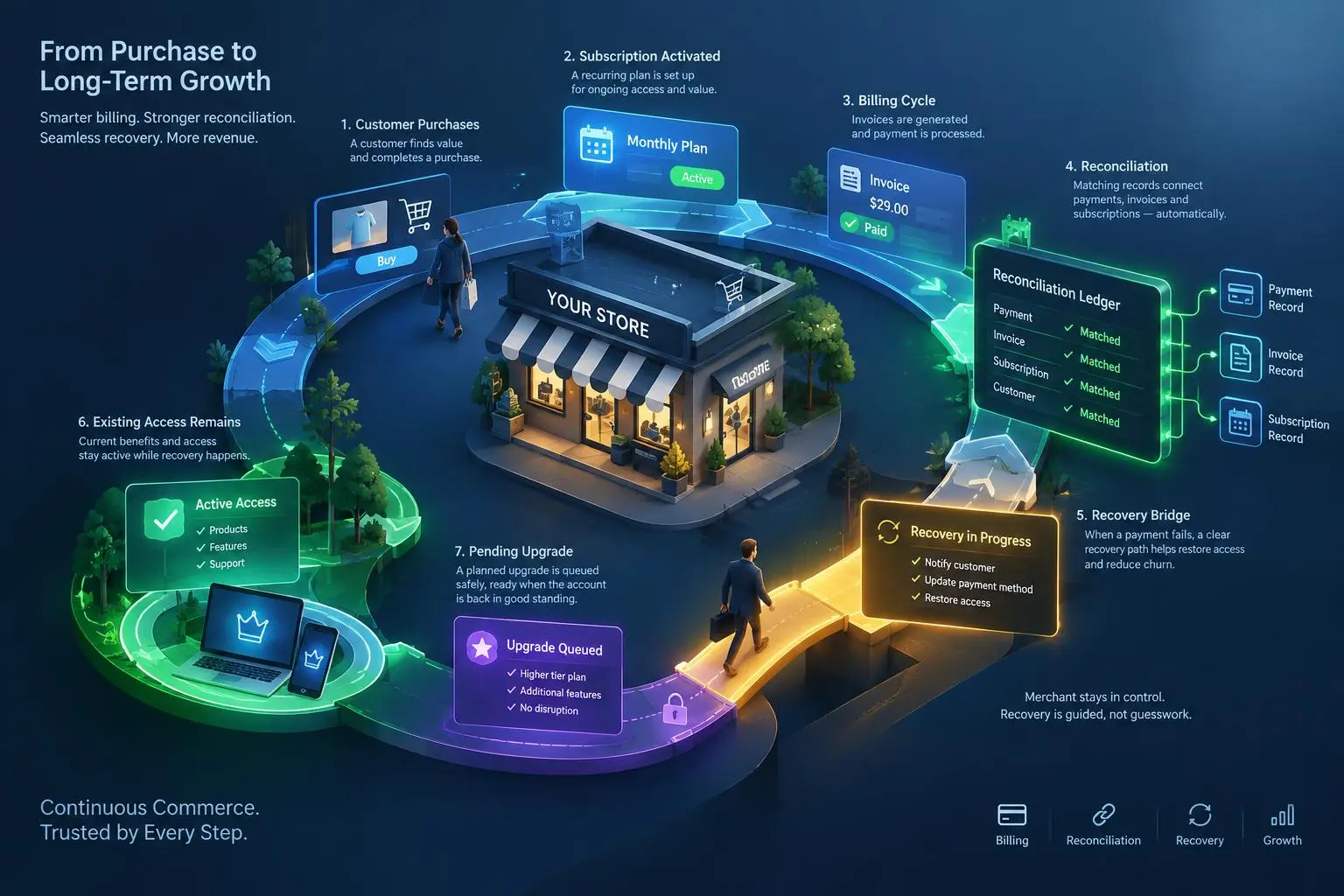
Shopify App Billing: How to Prevent Repeated Approval and Plan-Selection Loops
Shopify subscription approval is a redirect-based workflow that merchants can interrupt, revisit, or repeat. A durable billing design records the original attempt, ties it to the exact subscription ID, and reconciles later Shopify responses before changing access.

Inventory-Aware Shopify Sync: Making “Available to Try” Location Data More Reliable
A Symfony-based ecommerce middleware enhancement uses both STORIS condition codes and positive on-hand inventory to publish reliable “Available to Try” location IDs to Shopify variant metafields.

Using Shopify Liquid to Add Visible and Hidden Cart Line Attributes from Metafields
Learn how to add cart line attributes (line item properties) to Shopify cart items using Liquid, including a simple convention for visible vs hidden attributes and concrete metafield-based examples.

Why Furniture Retailers Keep Coming Back to Endertech for Omnichannel Ecommerce
Furniture ecommerce punishes generic solutions. See how Endertech's Shopify + STORIS integration work, real-time inventory sync, and in-store sales tooling have driven 100%+ online revenue gains for furniture and mattress retailers.

Shopify App vs Shopify Mobile Store
In this article, we discuss the difference between Shopify App vs Shopify Mobile Store. Find out what's important in order to a make wiser decision.