


Search Results

Verifiable Tenant Provisioning for AI Commerce: Beyond “Deployment Succeeded”
A successful configuration upsert does not prove that an AI commerce tenant is truly ready. This article explains how deployment manifests, safe secret reporting, and remote verification create a trustworthy provisioning workflow for Shopify catalog chat.

Building GDPR Resilience Into a Multi-Tenant Shopify App
Privacy compliance in a multi-tenant Shopify application is not just about receiving a webhook. It requires reliable, repeatable data-erasure workflows that remain safe during concurrent database activity, merchant provisioning, and high-volume demo resets.

Keeping Shopify Checkout QA Reliable When the Platform Changes Underneath You
Shopify checkout is a moving dependency. This project shows how resilient end-to-end browser tests can absorb interface changes—such as consent overlays and new required fields—without weakening validation of the shipping logic customers rely on.

How to Protect a Public AI Chat Interface Without Slowing Down Legitimate Shoppers
Public AI chat can be a powerful shopping tool—and an expensive target for automated abuse. This walkthrough shows how a layered security model blocks bad traffic early, applies tenant-specific risk scoring, and gives merchants the visibility needed to tune protection without adding friction for real shoppers.

Why Use ReactJS for Enterprise App Development
Find out what makes ReactJS the framework likely to boost productivity and increase work efficiency in your enterprise app development and the apps it builds.

Where to Place a Call to Action Throughout Your Blog Post
Are you wondering where to place your calls to action in your blog post? Here is a detailed discussion with the key places to incorporate your CTAs for the best results.

Building a Multi-Tenant Shopify POS Product Without Forking the Storefront
A look at the architecture behind Rapora: a publicly installable Shopify retail platform that pairs centralized app operations with dedicated merchant Hydrogen runtimes, avoiding the cost and complexity of storefront forks.

How to Choose the First Business Workflow for AI Automation
Choose first AI automation workflow candidates with clear inputs, verifiable outputs, and human review. Learn how to assess risk, test handoffs, and measure value.

Best no-code and low-code platforms for business apps 2026
Compare the best no-code low-code platforms for business apps. Pick Power Apps for Microsoft workflows, and assess integration, permissions, and maintenance.
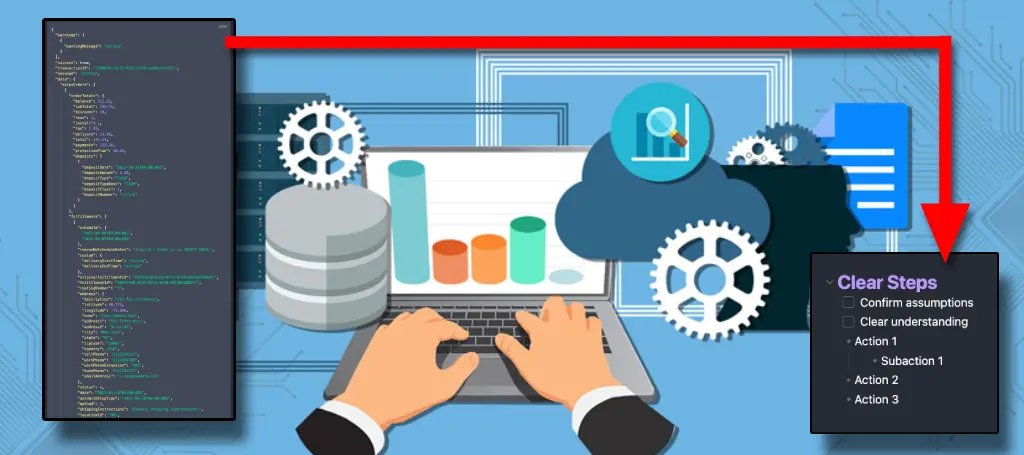
How I Used AI and Python to Validate STORIS and Inntopia Data for Planning, Mapping, and Pattern Finding
I do not dump whole exports into a chatbot. I use an LLM to help write tight Python that answers one question at a time, prove it on a small sample, then run it locally larger data sets. That keeps work repeatable, cuts token cost, and keeps sensitive fields off hosted tools while I plan integrations and product mapping.