






Search Results

Setting Up Google reCaptcha Enterprise
Typically the need for reCaptcha occurs because a site may have a public facing form that anonymous users can submit and typically a site will want to avoid malicious attacks, spams, and overload of the system. The best way to combat this is using reCaptcha. ReCaptcha is used to verify that the user is in fact a human user attempting to submit only necessary requests to a site. There are options to add reCaptcha to a site but one of the most popular is Google reCaptcha.

Let Google Cook - Why Doing Less in Google Ads Often Produces Better Results Than Daily Optimization
Most advertisers think better Google Ads performance comes from constant optimization. In reality, excessive daily changes often disrupt machine learning systems before they can stabilize. This article explores why campaign stability, stronger conversion signals, better creative, and patience frequently outperform reactive PPC management.

Google Earth DIV Overlay via iframe Shim
Steps for creating a div overlay on top of a Google Earth browser plugin rendering.
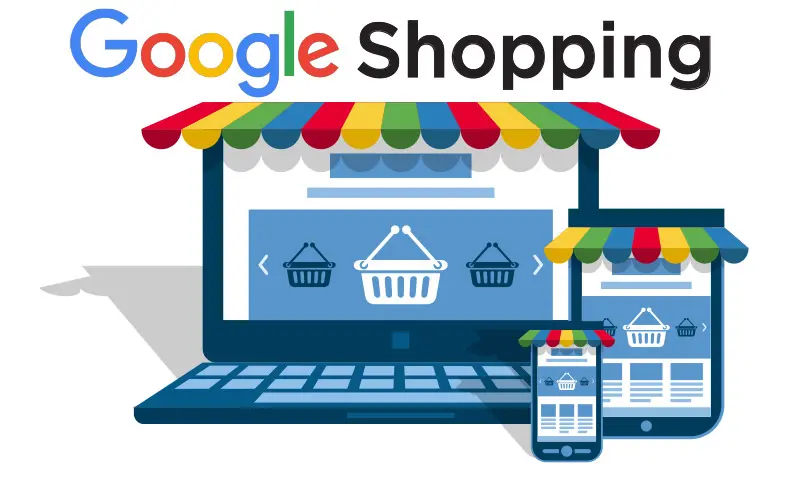
How to Get Your Products on Google Shopping
Google Shopping is one of the most effective ways to get your products in front of potential customers. It allows customers to search for products on online shopping websites and compare prices between different vendors.
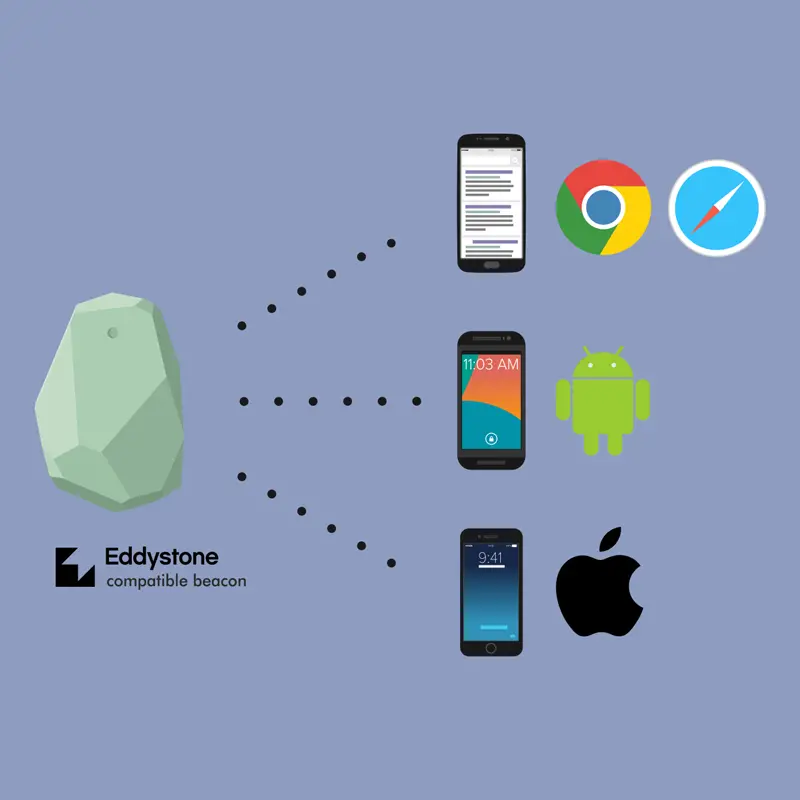
Brief Intro to Eddystone, Physical Web, and Google Nearby
If you've been keeping up with the various Bluetooth updates including Physical Web you've probably wondered what the difference is between them.

Fast Magento 2 Product Import: Automate with Google Sheets
Adding Google Scripting for Google Sheets to our Magento 2 Product Import Workflow helped us rapidly organize client data into the Magento 2 format and increased import efficiency by 120%!
What's Wrong With My Web Font?
3 things to keep in mind when choosing a web font to ensure users are getting the design experience that you intended.
Make Your Website Mobile Friendly or Face Extinction On Google
If your website is not mobile friendly, you could be leaving a lot of money and opportunity on the table. In fact, you could disappear altogether from Google search. Yep, you read that right. Read on to find out more about mobile internet usage and how you can prepare for the coming Mobileggedon.

Geography-First PPC: How to Structure Google Ads for Regional Service Businesses
Most Google Ads guidance assumes one city or one service. This breaks down how to structure an account for businesses that are neither: organizing campaigns by service line, layering Performance Max by audience, and expanding geographic targeting in deliberate phases instead of all at once.

Why Client-Side Navigation Can Undercount Your Paid-Media Audiences
Modern marketing sites often update URLs without triggering a full page load. That can quietly reduce the page-view signals Google Ads needs for URL-based audience building. Here is how route-aware tracking helps preserve measurement continuity without bypassing consent controls.

Managing the Challenging Transition to AdWords New UI
With apologies to Bing Ads, whom I greatly respect as well, the standard bearer for efficient, intuitive, and functional pay per click UI (user interface) has always been Google AdWords.

Giving AI Agents Real Employee Identity With MCP OAuth
Shared API keys make agent actions anonymous. Here is how we unified Google Workspace SSO with an MCP OAuth 2.1 authorization server so remote agent harnesses act as signed-in employees—with attribution, consent, and automation still available when humans are not in the loop.