


Search Results

We Run Our Agency on MCP
Most AI demos stop at chat. We wired Model Context Protocol into the portal we use to run the agency, originally so OpenAI / ChatGPT and our own in-portal assistant could take real actions, then hardened it for day-to-day use.

How to Optimize Performance for ReactJS Applications
This blog post will dive deep into effective performance optimization techniques that will elevate your application to the next level.

Mindset Matters: The Culture of Endertech
Mindset influences more than individual performance. It shapes team culture, leadership, and the way organizations respond to challenge, feedback, and change. At Endertech, our Fundamental Behaviors reflect a Growth Mindset culture built on learning, accountability, respect, and continuous improvement.

Automate Your Marketing
Automation has a strong potential to greatly increase agility because computers can be much faster than manual human actions in defined tasks. Marketing operations can be one of those defined tasks.
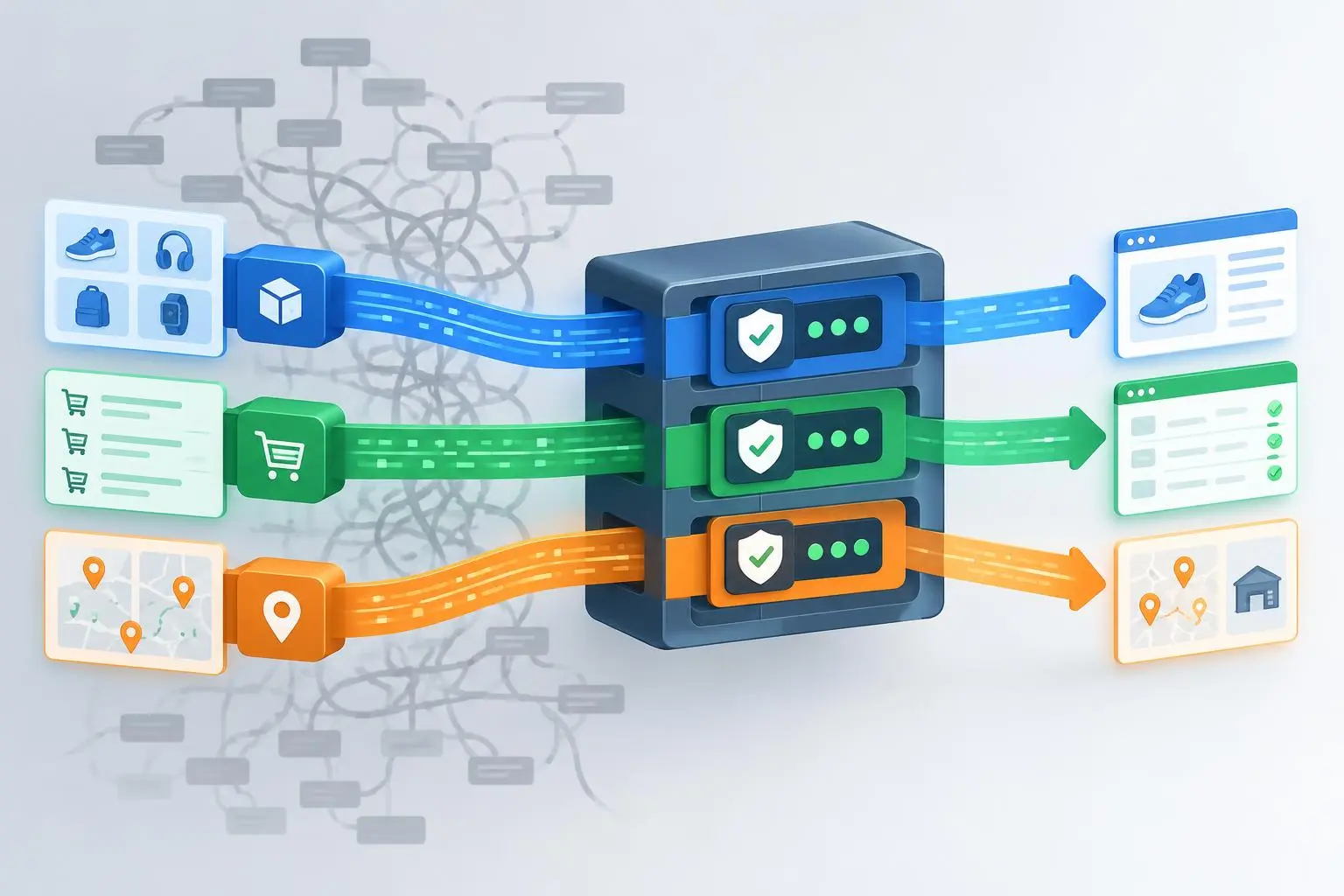
Why Ecommerce Middleware Tests Should Follow Data Domains, Not Task Inheritance
As ecommerce integrations grow beyond products and orders, test setup needs to recognize the data being synchronized. A data-domain approach helps middleware teams add new workflows without inheriting assumptions from unrelated task types.

How to Make Plans and Packages Easier to Compare
Buyers need clear plan and package choices at the moment they decide. Structured purchase-option data and reusable selection cards present material and plan differences consistently across registration and payment-update flows.
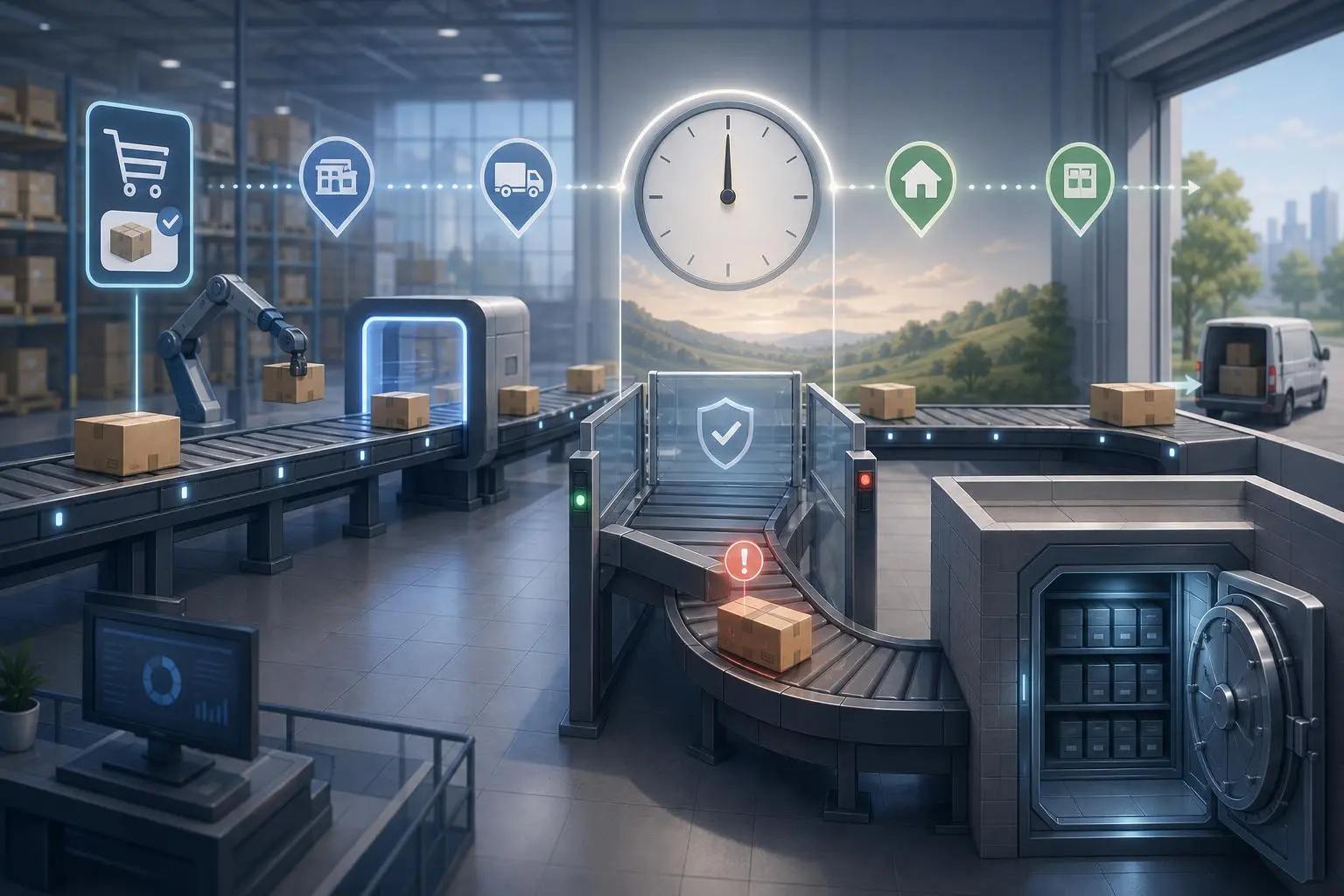
How Bounded Failure Handling Keeps Ecommerce Order Middleware Moving
A resilient ecommerce integration should not retry impossible order failures forever. This implementation detects persistent delivery or pickup location errors, waits for a one-day threshold, and moves affected middleware orders into an auditable terminal state.
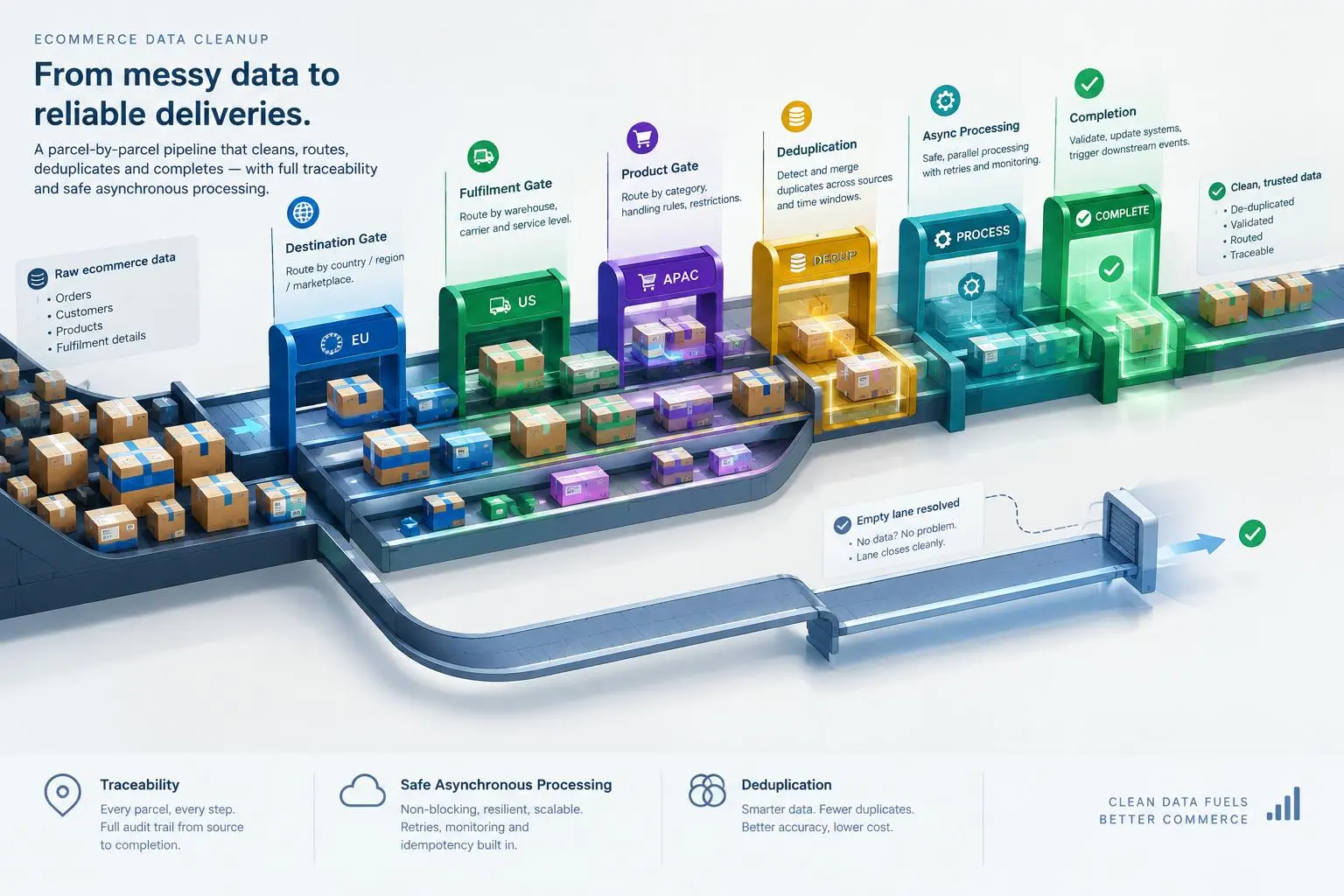
How to Design Safe Chunked Cleanup Jobs for Ecommerce Data
Large stale-identifier cleanup jobs need a clear identity, destination-specific request sizing, and intentional completion behavior. These patterns make asynchronous ecommerce maintenance work easier to trace and safer to manage.

Keeping Shopify–STORIS Order Sync Safe Through GraphQL API Changes
A reliable Shopify–STORIS integration needs more than successful API calls. This technical deep dive explains how explicit idempotency testing, version-aware order mapping, and end-to-end regression coverage protect order synchronization as upstream and downstream APIs change.

Shopify Plus vs Adobe Commerce for B2B Ecommerce
Shopify Plus wins on speed and low overhead; Adobe Commerce wins on native B2B depth. Full 2026 breakdown of features, cost models, and catalog scaling.

How Shopify Shop Metafield Objects can be Used to Show Information about your Brick and Mortar Stores
This guide shows how to centralize store details in Shopify using shop metafields (and metaobjects) and render them across your theme. Set up fields for hours, address, contact, and policies, then use Liquid snippets to keep headers, footers, and templates consistent and easy to maintain.
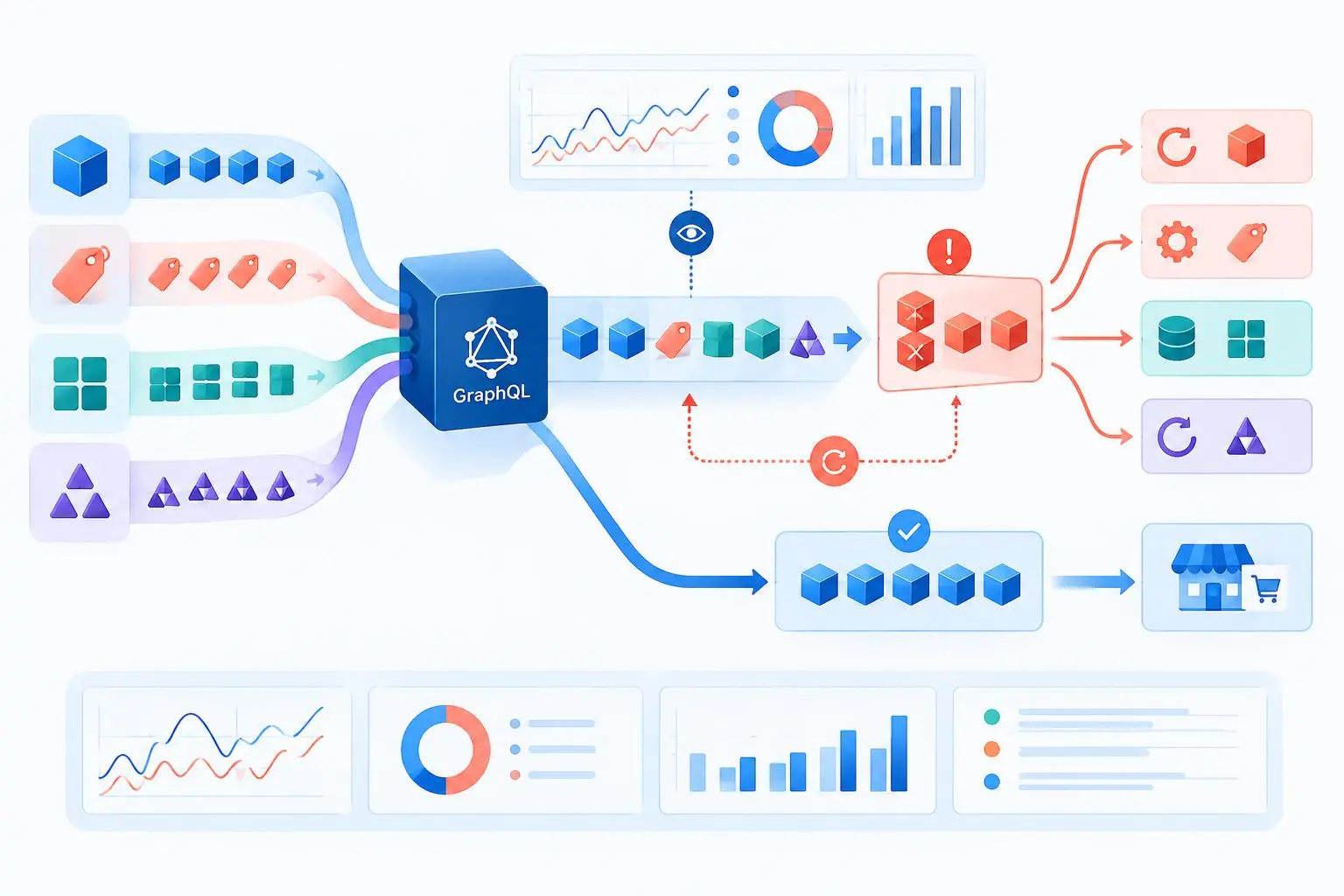
Designing Recoverable Shopify Syncs: From Failed Batches to Targeted Retries
Reliable Shopify integrations need more than background jobs and retries. This article explains how object-level recovery messages, safe GraphQL slicing, and focused test coverage make inventory, metafield, and variant synchronization easier to diagnose and recover.