






Search Results
Multiple Inserts with Prepared Statements in Symfony 1.4
Using Prepared Statements in Symfony1.4 instead of other methods such as doInsert or creating an object in a loop.
Multiple Inserts with Prepared Statements in Symfony 1.4
Using Prepared Statements in Symfony1.4 instead of other methods such as doInsert or creating an object in a loop.

How to Use Victory JS with React
Endertech has used Victory JS with React in our client and employee portal. We use the library to visualize data, in this case, employee hours per day.
What a $7 Million Investment Says About Symfony
An analysis of the $7 Million investment into SensioLabs by CM-CIC Capital Privé and what such means for the future of Symfony both abroad and in the United States.

The Future of Magento 2 & What It Means for Magento Store Owners
Discover what the future of Magento 2 holds for merchants and developers as Adobe pursues their vision for a microservices-based ecommerce platform.
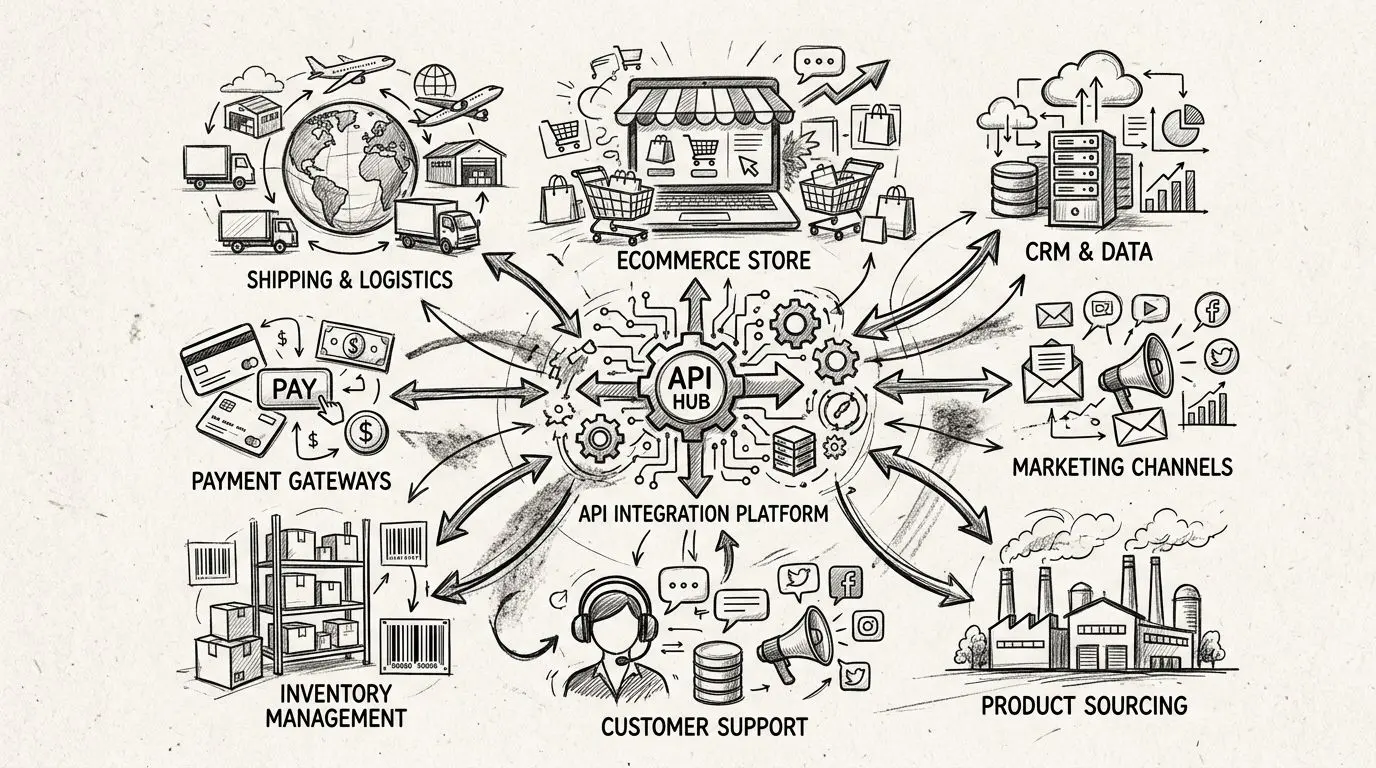
Best Ecommerce API Integration Platforms for 2026
The best ecommerce integration platforms for 2026 compared: Celigo, MuleSoft, Workato, Boomi, Zapier and Tray.io ranked on connectors, ecommerce-to-ERP fit, and scale — with which one fits your stack.

System Design - Over Engineering
Discover how overengineering can be hurting your software product or software plan. Learn to avoid the pitfalls.
The Truth About Magento and Entity-Attribute-Value
Magento is a serious e-commerce solution, built from the ground up for the kind of business logic that e-tailers use day in and day out. Magento is structured as an infinitely flexible shopping cart and product management system.
Preventing Silent Variant Sync Failures in Asynchronous Ecommerce Middleware
A look at a resilient PHP middleware pattern for synchronizing ecommerce product variants asynchronously—without losing the persistence context needed to make updates actually happen.
Why do you need a React-friendly CMS?

Why Your Software Project Needs Professional Planning
At Endertech, Planning is the first phase in our methodology for custom software development. The goal of this phase is to produce clear technical documentation that tells the development team exactly what they’re supposed to build, and how.

Building a Multi-Tenant Shopify POS Product Without Forking the Storefront
A look at the architecture behind Rapora: a publicly installable Shopify retail platform that pairs centralized app operations with dedicated merchant Hydrogen runtimes, avoiding the cost and complexity of storefront forks.