






Search Results

The Joys of Parameterization
We’ve all seen examples of parameterization. Database credentials are probably the most common example. Various scenarios may require that these be changed; a server move, a user/password change, or setting up a development environment. It’s easy to see how this is a best practice.
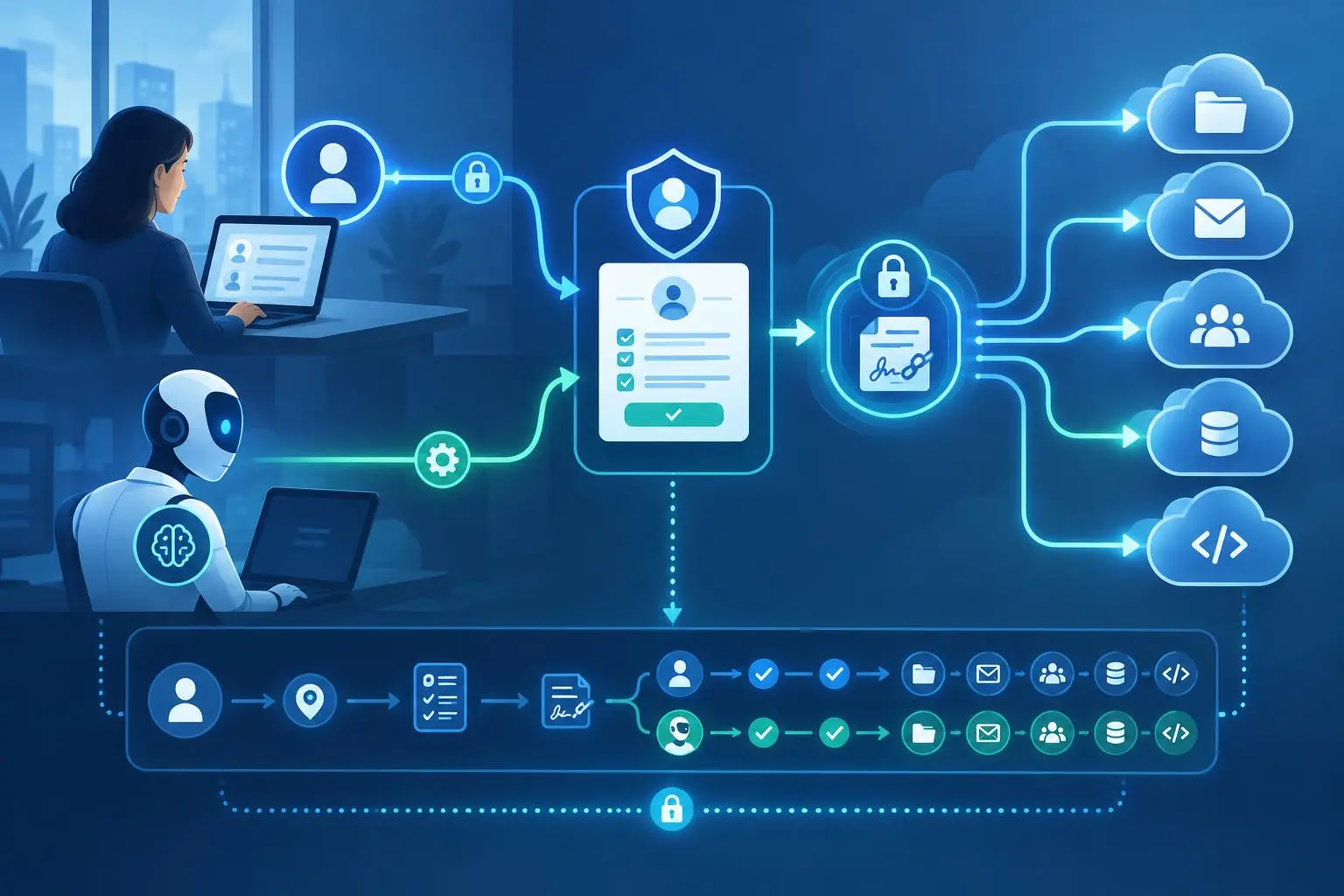
Giving AI Agents Real Employee Identity With MCP OAuth
Shared API keys make agent actions anonymous. Here is how we unified Google Workspace SSO with an MCP OAuth 2.1 authorization server so remote agent harnesses act as signed-in employees—with attribution, consent, and automation still available when humans are not in the loop.

How to Enhance Security & User Experience: A Guide to OAuth2 Implementation in E-commerce
Discover how OAuth2 implementation can enhance security & user experience for eCommerce your store. A simple guide on how to get there!

ReactJS for Business Software and Applications
Unlock the potential of ReactJS for business software development. Explore its concepts, advantages, and applications to make decisions for your organization.
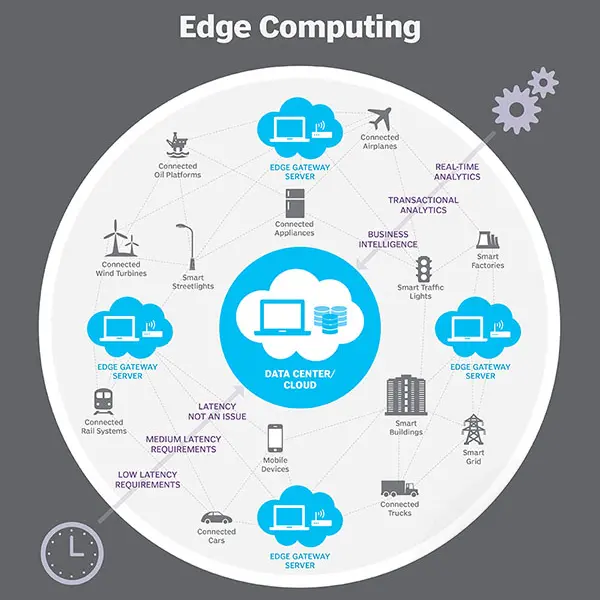
Edge Computing with Fastly CDN and Varnish VCL for Authenticated Requests
We remain excited for edge computing possibilities like Fastly to keep gathering traction along with the internet continually evolving to being more decentralized.

Building a Hybrid Next.js and Plasmic Marketing Platform Without Sacrificing Control
A hybrid Next.js architecture can give marketers visual publishing autonomy in Plasmic while preserving the engineering guardrails needed for custom routes, SEO, caching, and reliable production releases.

Managing Remote Offshore Software Development Teams
Working with remote teams seems like a daunting task, but really can be as efficient as managing an in house team. If managed correctly, this type of remote team model can be very beneficial to your business.
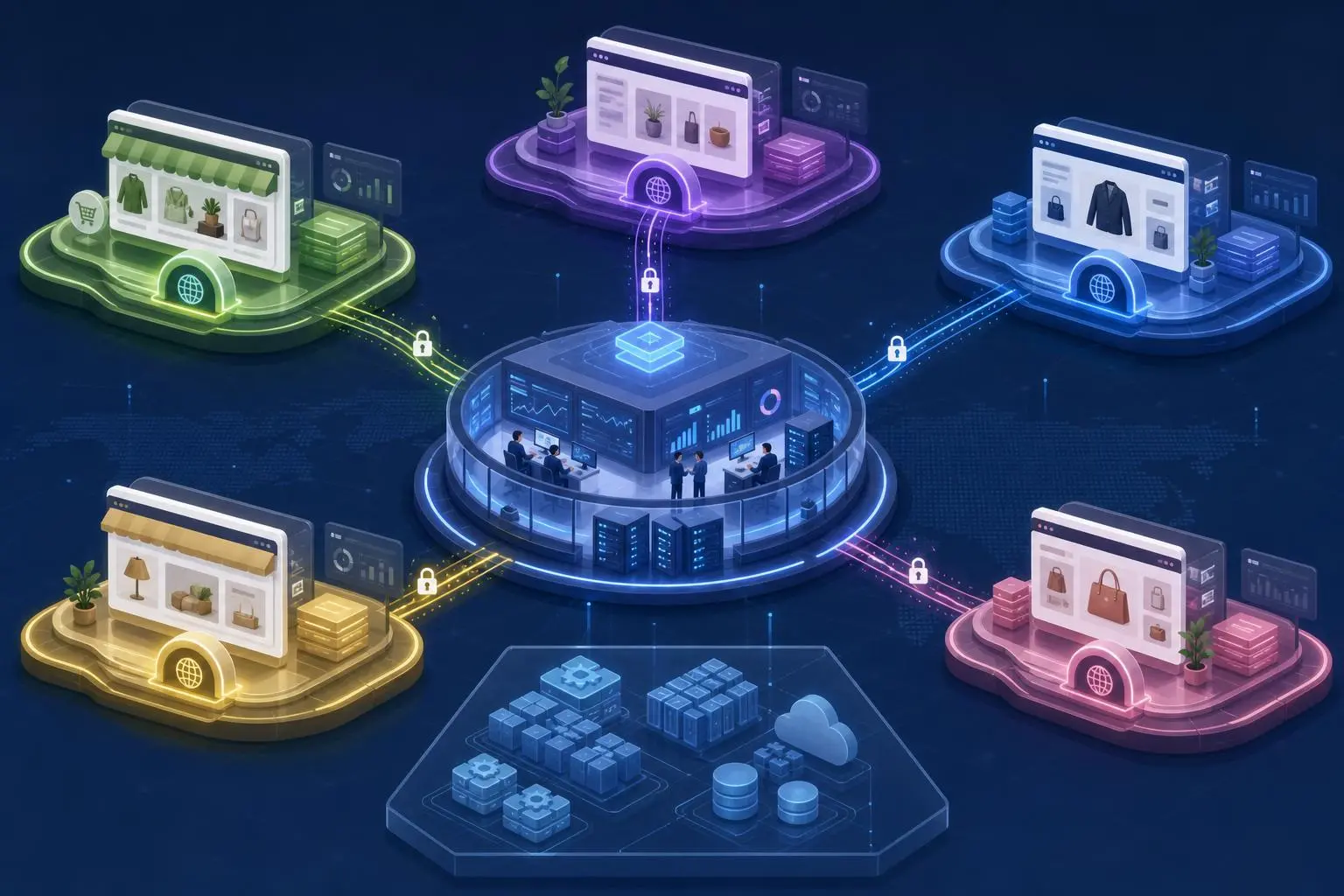
Building a Multi-Tenant Shopify POS Product Without Forking the Storefront
A look at the architecture behind Rapora: a publicly installable Shopify retail platform that pairs centralized app operations with dedicated merchant Hydrogen runtimes, avoiding the cost and complexity of storefront forks.

Can an Ecommerce Site Handle Black Friday Traffic in 2026?
Yes, if hosting and checkout are load-tested. See what actually crashes ecommerce sites on Black Friday 2026 and how Shopify, Magento, and headless setups compare.
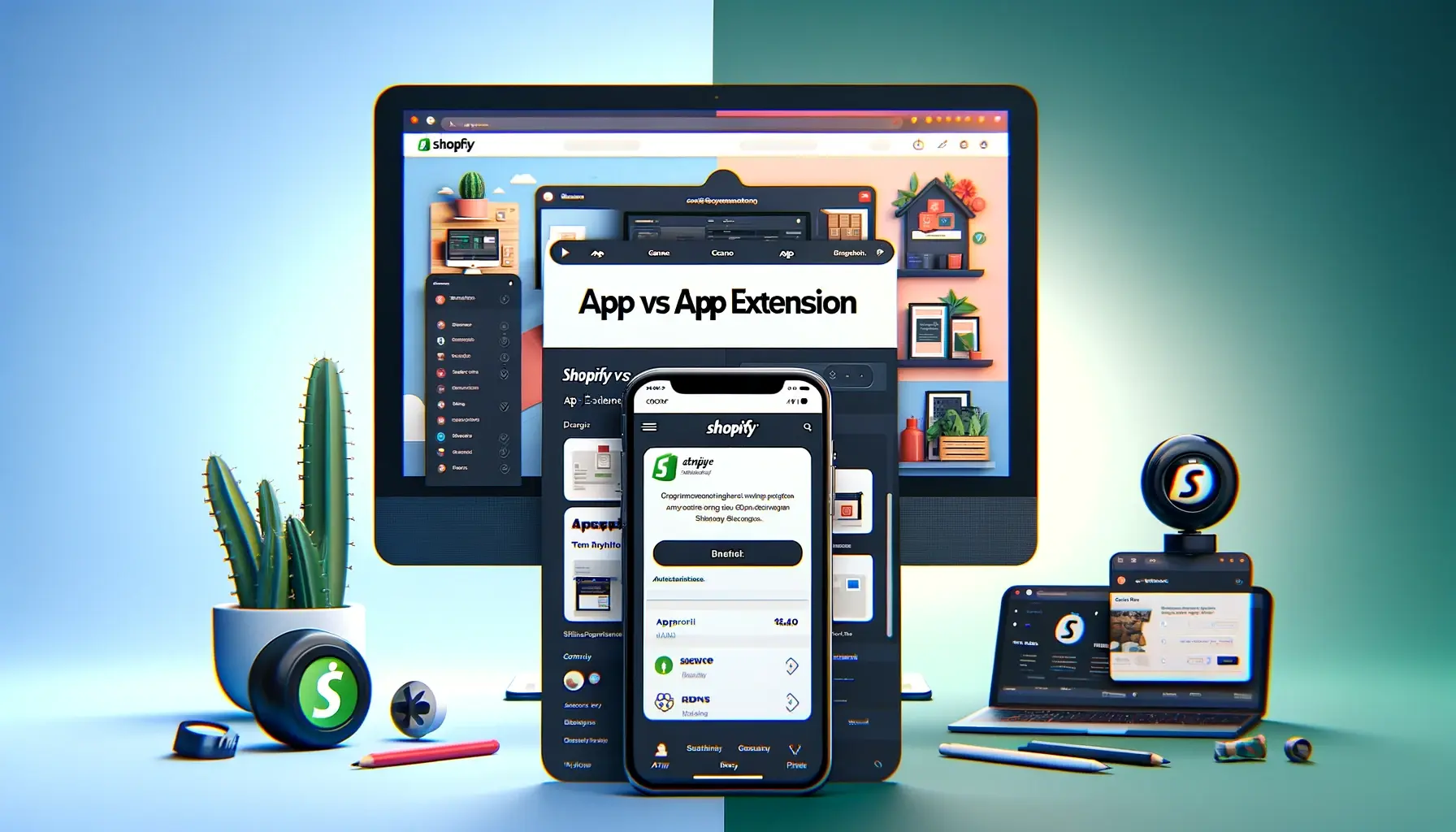
How to Deploy Shopify Apps vs Shopify App Extensions
This article explains the difference between Shopify Apps and Shopify App Extensions including how to deploy them to a simple Node environment.

How to Protect a Public AI Chat Interface Without Slowing Down Legitimate Shoppers
Public AI chat can be a powerful shopping tool—and an expensive target for automated abuse. This walkthrough shows how a layered security model blocks bad traffic early, applies tenant-specific risk scoring, and gives merchants the visibility needed to tune protection without adding friction for real shoppers.

Advantages of Progressive Web Apps Over Other Web Formats
Examining why business leaders seek out the advantages of Progressive Web Apps, while comparing it to other formats - web apps, mobile apps.