


Search Results

Isolate Shared State Before Adding Parallel Test Workers
Parallel test runs break on shared state, not CPU count. Here is how we isolated databases, temp files, locks, and reports in a Symfony coverage run, locked only the truly shared fixtures, and merged coverage without hiding failures.

API Platform max_joins Errors: Fix the Serializer Cycle, Not the Limit
An API Platform max_joins error can signal a recursive serializer graph. Learn how one vehicle-fitment API removed a targeted back-reference, preserved storefront data, and added a regression test.

How to Add CI Test Coverage to a Symfony Integration Middleware Without Losing Local Debugging
When a Symfony middleware sits between your storefront and your ERP or order systems, every change carries cross-system risk. Here is how to collect fast coverage in CI with PCOV, publish JUnit and Cobertura reports, and keep Xdebug available for local debugging.
PHPStorm Blows in with a Whirlwind of Code Prowess
PHPStorm is an Integrated Development Environment ("IDE") optimized for the PHP coding platform and has many more pros than cons when it comes to an IDE. PHPStorm is an Integrated Development Environment ("IDE") optimized for the PHP coding platform and has many more pros than cons when it comes to an IDE.

How Bounded Failure Handling Keeps Ecommerce Order Middleware Moving
A resilient ecommerce integration should not retry impossible order failures forever. This implementation detects persistent delivery or pickup location errors, waits for a one-day threshold, and moves affected middleware orders into an auditable terminal state.
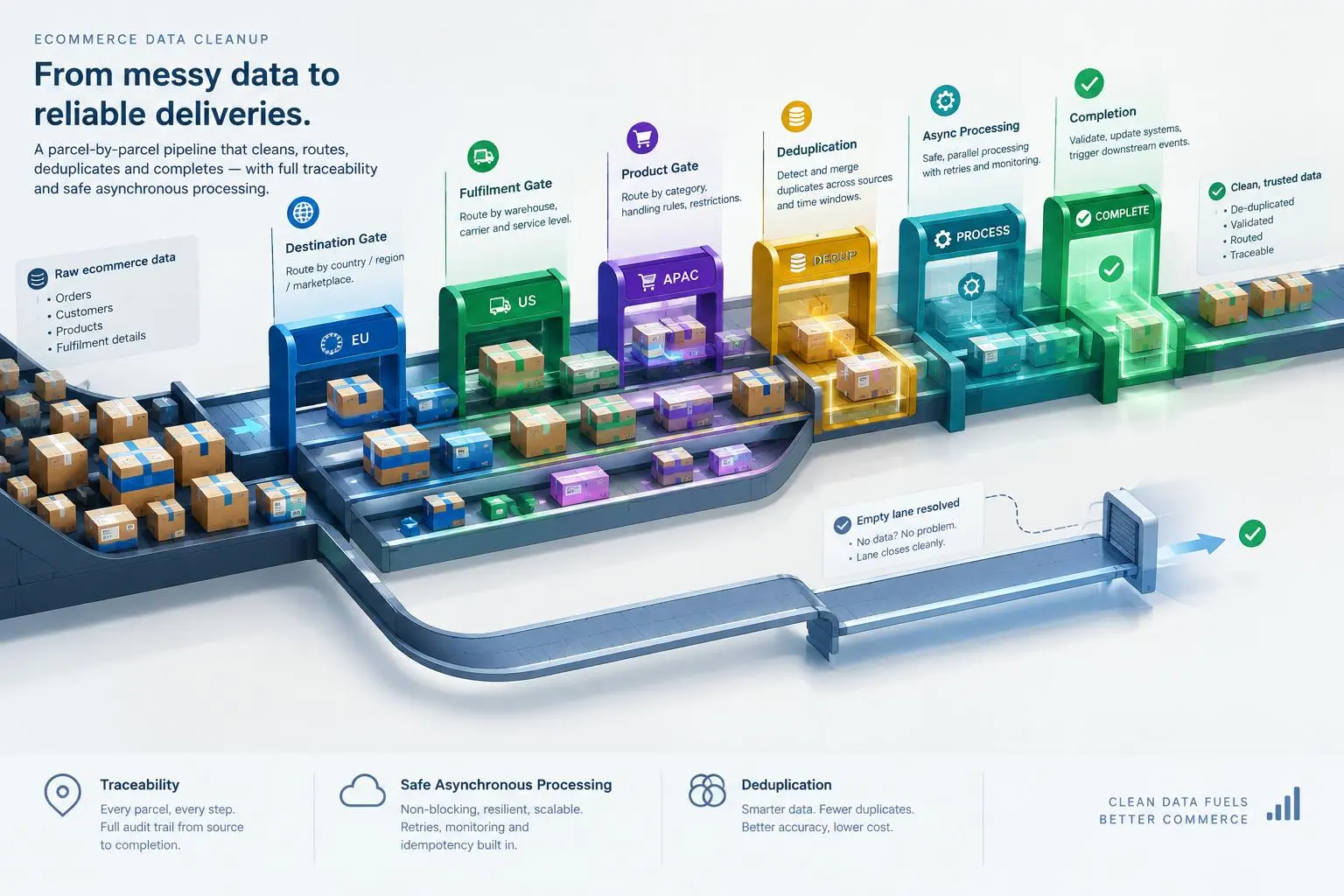
How to Design Safe Chunked Cleanup Jobs for Ecommerce Data
Large stale-identifier cleanup jobs need a clear identity, destination-specific request sizing, and intentional completion behavior. These patterns make asynchronous ecommerce maintenance work easier to trace and safer to manage.
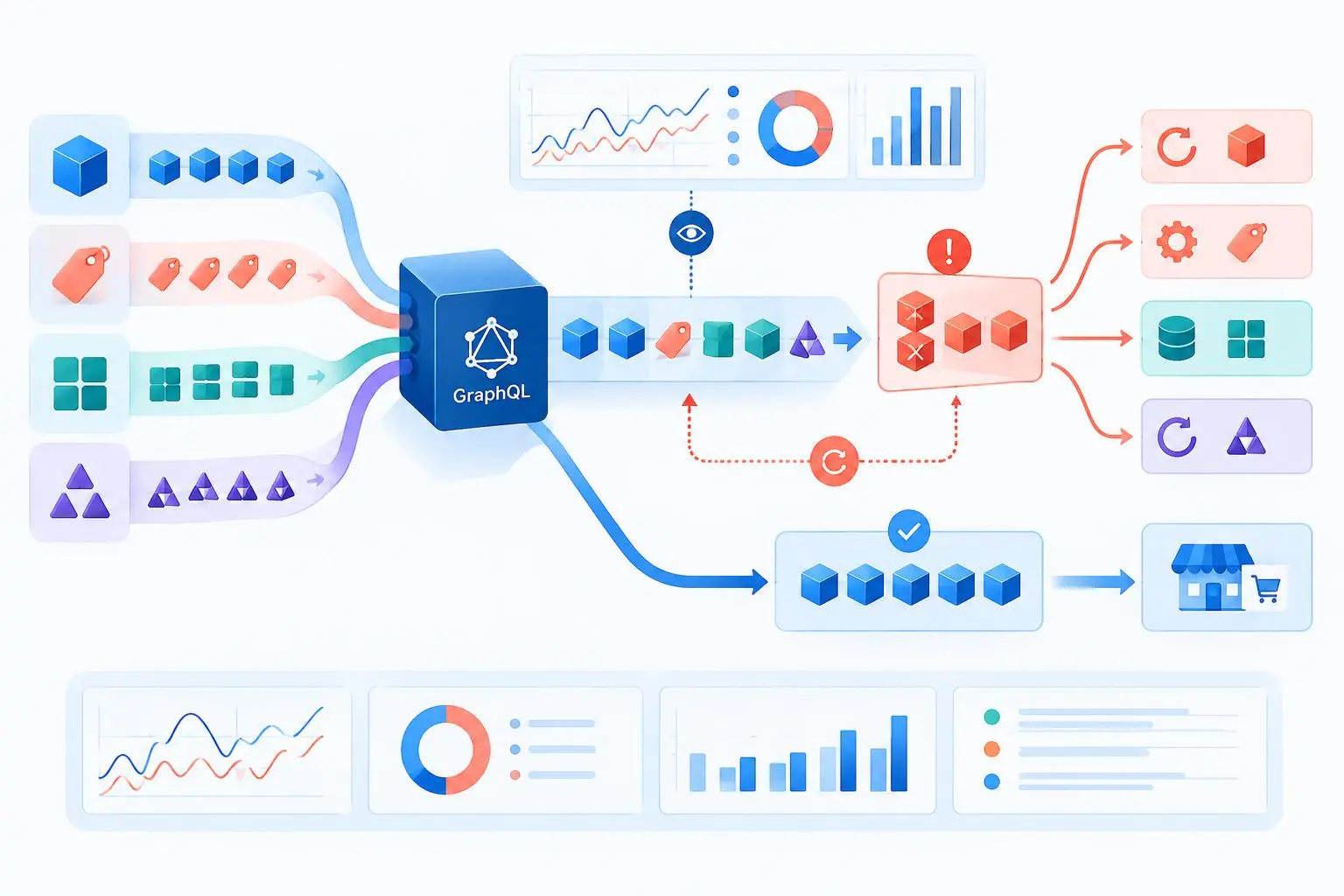
Designing Recoverable Shopify Syncs: From Failed Batches to Targeted Retries
Reliable Shopify integrations need more than background jobs and retries. This article explains how object-level recovery messages, safe GraphQL slicing, and focused test coverage make inventory, metafield, and variant synchronization easier to diagnose and recover.

Keeping Shopify Checkout QA Reliable When the Platform Changes Underneath You
Shopify checkout is a moving dependency. This project shows how resilient end-to-end browser tests can absorb interface changes, such as consent overlays and new required fields, without weakening validation of the shipping logic customers rely on.

Inventory-Aware Shopify Sync: Making “Available to Try” Location Data More Reliable
A Symfony-based ecommerce middleware enhancement uses both STORIS condition codes and positive on-hand inventory to publish reliable “Available to Try” location IDs to Shopify variant metafields.

Keeping Shopify–STORIS Order Sync Safe Through GraphQL API Changes
A reliable Shopify–STORIS integration needs more than successful API calls. This technical deep dive explains how explicit idempotency testing, version-aware order mapping, and end-to-end regression coverage protect order synchronization as upstream and downstream APIs change.

Why Ecommerce Order Validation Belongs at the Integration Boundary
Order validation is a business control point in ecommerce integrations. Put it at the middleware boundary to prevent invalid updates from reaching downstream systems and to keep order rules visible, testable, and maintainable.

WordPress: One of the Best Content Management Systems
WordPress is one of the most impressive content management systems (CMS) built on PHP / MySQL. Is WordPress right for you? Let's find out!